
What is Coping?

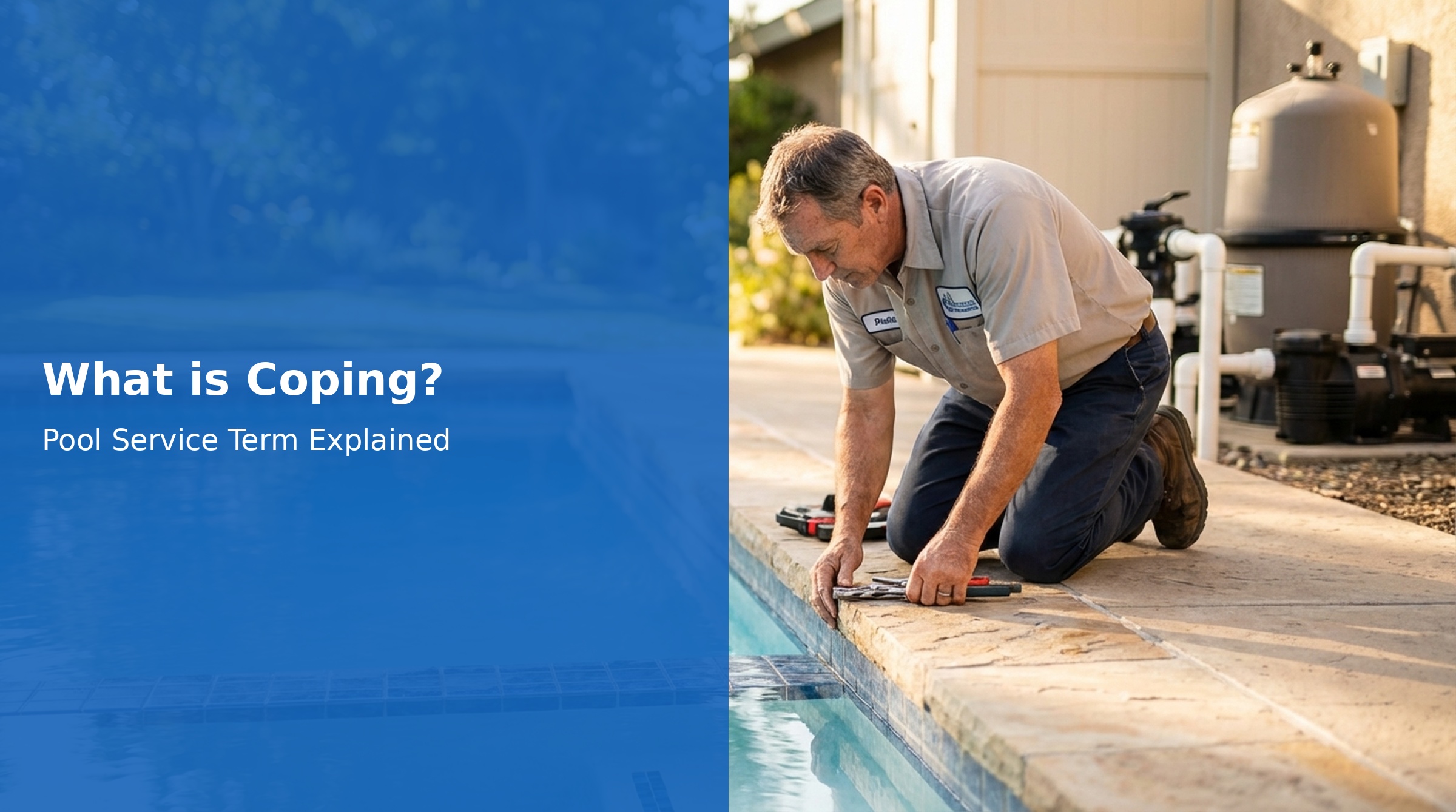
Pool coping is one of those fundamental elements that every pool service professional encounters daily, yet it's often overlooked until problems arise. This critical transition zone where the pool structure meets the surrounding deck plays a vital role in both the aesthetic appeal and structural integrity of any swimming pool. Understanding coping—its materials, maintenance requirements, and common issues—is essential for providing comprehensive pool service and identifying potential problems before they become costly repairs.
Key Takeaways
- Pool coping serves as both a functional seal and aesthetic transition between pool and deck
- Common materials include precast concrete, natural stone, brick, and pavers, each with unique maintenance needs
- Proper coping maintenance prevents water infiltration and structural damage
- Regular inspection should focus on cracks, loose sections, and joint deterioration
- Understanding coping issues helps pool professionals provide better service and identify upselling opportunities
What is Pool Coping?
Pool coping is the capstone material that covers the top edge of the pool wall, creating a finished transition from the water to the pool deck. Think of it as the "lip" of the pool—it's the surface swimmers grab when they're in the water and the edge you walk along when cleaning or testing the pool. Beyond its functional role, coping significantly impacts the pool's overall appearance and can dramatically affect the surrounding deck area's longevity.
The coping system typically consists of the coping material itself and the underlying bond beam—a reinforced concrete collar that caps the pool's structural shell. This combination creates a watertight seal while providing a safe, comfortable edge for pool users. For pool service professionals, understanding this system is crucial because many water chemistry imbalances and structural issues originate at this critical junction.
Types of Pool Coping Materials
Precast Concrete Coping
Precast concrete remains the most popular coping choice due to its affordability and durability. Available in various profiles—from simple rounded edges to more decorative cantilever designs—concrete coping typically features a slightly textured surface for slip resistance. Pool service professionals should note that concrete coping is susceptible to water chemistry imbalances, particularly when the Langelier Saturation Index indicates aggressive water conditions that can cause surface etching.
Natural Stone Coping
Natural stone options like travertine, limestone, and flagstone offer premium aesthetics but require specialized maintenance knowledge. These materials are naturally porous and can be affected by improper chemical balance more quickly than concrete alternatives. When servicing pools with natural stone coping, pay particular attention to calcium hardness levels and pH balance, as both acidic and high-calcium conditions can damage these surfaces over time.
Brick and Paver Coping
Brick and concrete paver coping systems provide excellent design flexibility but present unique challenges for pool service professionals. The multiple joints between individual units create more opportunities for water infiltration and require regular inspection. These systems often use sand-based setting beds that can shift over time, particularly if pool water chemistry isn't properly maintained and leads to deck settling.
Common Coping Problems Pool Professionals Encounter
Cracking and Structural Issues
Coping cracks are among the most common issues pool service professionals observe. These can result from ground settling, freeze-thaw cycles, or chemical imbalances that weaken the material over time. Small hairline cracks might seem cosmetic, but they allow water penetration that can lead to more serious structural problems. When documenting service visits, always note crack locations and sizes—this information helps track progression and demonstrates the value of proper chemical maintenance to clients.
Joint Deterioration
The expansion joints and caulk lines around coping are critical for preventing water infiltration behind the pool structure. Failed joints are often the culprit when pool owners report water loss that isn't attributable to equipment leaks. During routine service visits, inspect these joints and educate clients about the importance of timely repairs. This attention to detail can prevent costly structural repairs and positions you as a knowledgeable professional who looks beyond basic cleaning and chemical balancing.
Surface Scaling and Etching
Improper water chemistry affects coping materials differently than pool surfaces. Calcium scaling on coping is not only unsightly but can create sharp edges that pose safety hazards. Conversely, acidic conditions can etch natural stone and concrete coping, creating rough surfaces that harbor algae and bacteria. Understanding these relationships between chemical balance and material integrity allows you to provide more comprehensive service and justify proper chemical maintenance programs.
Maintenance Best Practices for Different Coping Types
Routine Inspection Protocols
Incorporate coping inspection into your regular service routine. Walk the entire perimeter, looking for loose sections, cracks, or areas where the coping has separated from the deck. Pay special attention to corners and areas around equipment, where ground movement is more likely. Document findings with photos when possible—this creates valuable records for insurance claims and helps clients understand the progression of issues over time.
Cleaning Techniques by Material Type
Different coping materials require specific cleaning approaches. Concrete coping can typically handle standard pool cleaning chemicals and brushes, but natural stone may require pH-neutral cleaners to prevent damage. Never use muriatic acid directly on limestone or travertine coping, as it will cause permanent etching. For pool service professionals, having material-specific cleaning protocols demonstrates expertise and protects you from liability for damage caused by improper cleaning methods.
Water Chemistry Considerations
The relationship between water chemistry and coping longevity cannot be overstated. Aggressive water conditions—indicated by negative LSI values—will gradually dissolve calcium-based materials, while oversaturated conditions lead to scaling that's particularly problematic on textured coping surfaces. Regular cyanuric acid monitoring is also crucial, as high CYA levels often correlate with other chemical imbalances that affect coping materials.
When educating clients about chemical balance importance, use coping condition as a visual reference. It's easier for pool owners to understand chemical balance concepts when they can see the direct impact on their substantial investment in coping materials.
Professional Recommendations and Service Opportunities
Understanding coping systems creates opportunities for additional services and demonstrates professional expertise. Regular coping maintenance, joint resealing, and minor repair services are natural extensions of basic pool service. By identifying and addressing coping issues proactively, you provide genuine value while differentiating yourself from competitors who focus solely on water clarity and basic chemical balance.
Consider developing a coping assessment checklist that you complete annually for each client. This systematic approach ensures nothing is overlooked and provides documentation that supports warranty claims or insurance issues. It also creates natural opportunities to discuss maintenance needs and position yourself as a comprehensive pool care professional.
Pool coping represents the intersection of aesthetics, functionality, and structural integrity in pool design. For service professionals, understanding coping materials, maintenance requirements, and common failure modes is essential for providing comprehensive care. By incorporating coping inspection and maintenance into your service protocols, you'll identify problems early, provide additional value to clients, and establish yourself as a knowledgeable professional who understands all aspects of pool systems. Remember that proper water chemistry maintenance is your first line of defense against coping deterioration, making chemical balance education a crucial component of complete pool care. For more technical terms and definitions, refer to our comprehensive pool service terminology glossary.