
What is Flock?

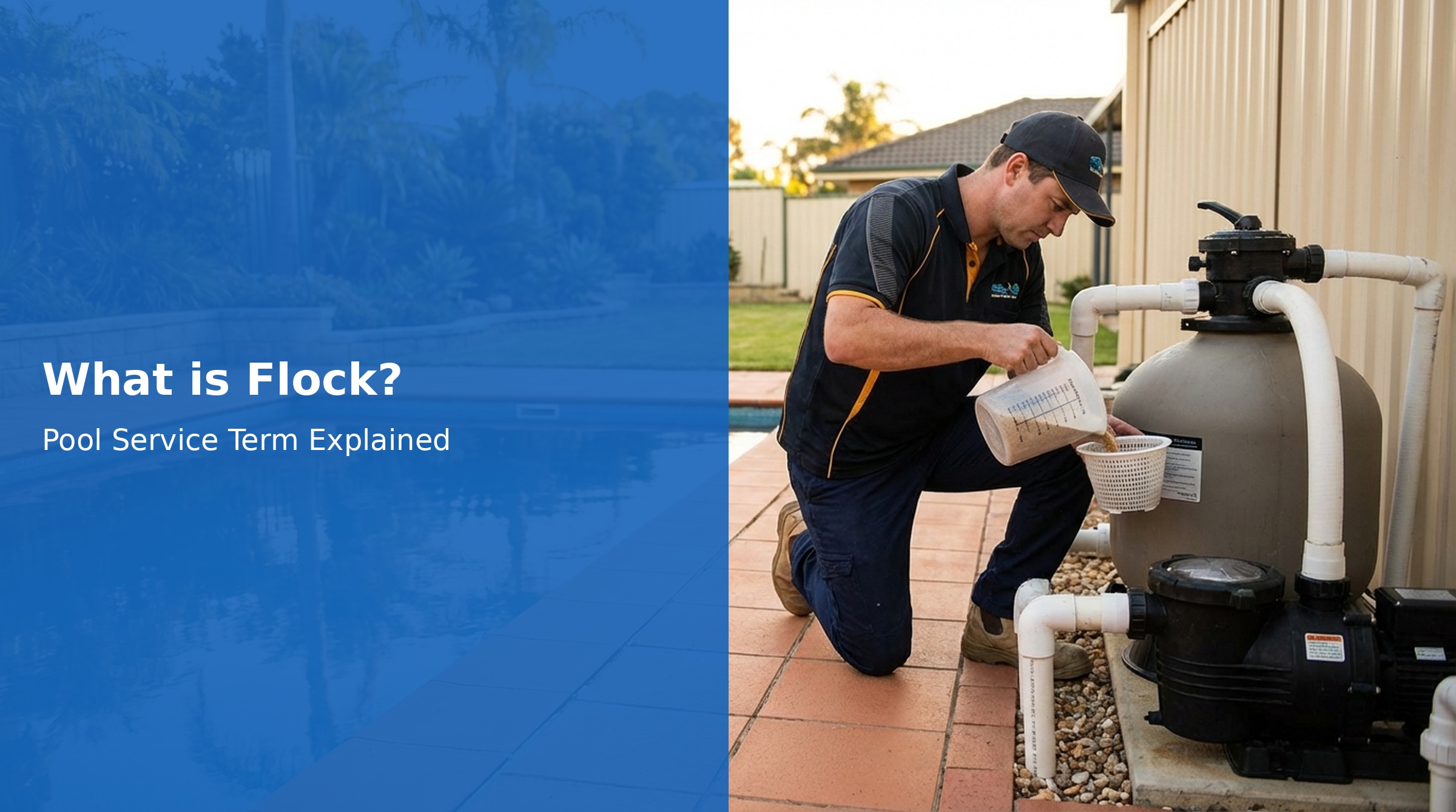
When pool water turns cloudy despite having proper chemical balance, pool service professionals often turn to flocculation as a reliable solution. Flock, short for flocculant or flocculation, is a water treatment process that transforms microscopic particles suspended in pool water into larger, heavier clumps that can be easily removed through vacuuming. This chemical treatment method has become an essential tool in the professional pool service arsenal, offering a fast and effective way to restore crystal-clear water when traditional filtration methods fall short.
Key Takeaways
- Flock binds microscopic particles together, making them large enough to settle and vacuum out
- Most effective when pool circulation is turned off during the settling process
- Requires manual vacuuming to waste - never vacuum flocculated material through the filter
- Works best with balanced water chemistry and proper pH levels between 7.2-7.6
- Can clear severely cloudy water in 8-24 hours when other methods would take days or weeks
Understanding Flocculants in Pool Water Treatment
Flocculation represents a chemical coagulation process where a flocculant agent causes fine particles suspended in water to clump together into larger aggregates called "floc." These newly formed particles become heavy enough to sink to the pool bottom, where they can be manually vacuumed to waste. Unlike clarifiers that work slowly through the filtration system, flocculants create dramatic results by bypassing the filter entirely.
The most common pool flocculant contains aluminum sulfate (alum), though polymer-based flocculants are also available. When added to pool water, these chemicals neutralize the electrical charges that keep particles suspended, allowing them to bind together through van der Waals forces and form visible clumps.
When Flocculation is Most Effective
Pool service professionals typically recommend flocculation in several specific scenarios:
- Severe cloudiness: When water is so cloudy you cannot see the bottom of the shallow end
- Filter limitations: Particles too small for effective filtration removal
- Time constraints: Quick turnaround needed for pool opening or events
- Dead algae: After successful algae treatment when dead matter clouds the water
- Environmental contamination: Following storms, construction dust, or other major contamination events
Proper Flocculation Procedure
Successful flocculation requires careful attention to procedure and timing. The process cannot be rushed, and skipping steps often leads to poor results or equipment damage.
Pre-Treatment Water Balance
Before adding any flocculant, ensure proper water chemistry. The pH should be between 7.2 and 7.6 for optimal flocculation effectiveness. High pH levels reduce flocculant efficiency, while low pH can cause equipment corrosion. Use our chemical dosage calculator to determine exact adjustment amounts needed before beginning the flocculation process.
Total alkalinity should be within the 80-120 ppm range to provide proper pH buffering during treatment. Chlorine levels can remain normal, as flocculants typically do not interfere with sanitizer effectiveness.
Application Method
With the pool circulation system running, add the flocculant according to manufacturer specifications - typically 2-4 ounces per 10,000 gallons for aluminum sulfate products. Distribute the chemical evenly around the pool perimeter while the pump circulates water. Allow circulation to continue for 2 hours to ensure complete mixing throughout the water volume.
After the mixing period, turn off all circulation equipment. This step is critical - continued circulation will prevent particles from settling and may break apart forming floc clusters.
The Settling Process
Flocculation requires patience. Allow 8-24 hours for complete settling, with most pools showing significant results within 12 hours. During this time, avoid any water disturbance, including swimming, cleaning, or running equipment. Weather conditions affect settling time - wind and rain can extend the process significantly.
Vacuuming Flocculated Material
Once particles have settled into visible layers on the pool bottom, manual vacuuming to waste is required. This step distinguishes flocculation from other water treatment methods and requires specific techniques for success.
Equipment Setup
Set the multiport valve to "waste" or "drain" position to bypass the filter entirely. Flocculated material should never pass through pool filters, as it will immediately clog filter media and may damage equipment. Ensure adequate water level before beginning, as significant water loss occurs during waste vacuuming.
Vacuuming Technique
Move the vacuum head slowly and deliberately across the pool bottom. Rapid movements will disturb settled floc and return particles to suspension. Start at the shallow end and work systematically toward the deep end, overlapping passes slightly to ensure complete removal.
If floc becomes disturbed and clouds the water again, stop vacuuming and allow additional settling time. Patience during this phase prevents having to repeat the entire flocculation process.
Troubleshooting Common Flocculation Issues
Several factors can interfere with successful flocculation. Understanding these challenges helps pool service professionals achieve consistent results.
Incomplete Settling
When particles fail to settle completely, check water balance parameters first. High pH levels above 7.8 significantly reduce flocculation effectiveness. Additionally, ensure all circulation has been stopped - even small water movements from wind or automatic cleaners can prevent proper settling.
Persistent Cloudiness
If water remains cloudy after flocculation, the issue may be insufficient flocculant dosage or water chemistry problems. Very high total dissolved solids (TDS) levels can interfere with the process, sometimes requiring partial water replacement before retreatment.
Professional Considerations and Best Practices
Pool service professionals should educate customers about the flocculation process timeline and requirements. Many pool owners expect immediate results and may not understand the need for extended circulation downtime. Clear communication about the 24-48 hour total process time prevents misunderstandings and service complaints.
Consider water replacement needs when recommending flocculation. The waste vacuuming process typically removes 10-25% of pool water, which must be replaced and rebalanced. Factor these costs and time requirements into service quotes.
For comprehensive water chemistry management, reference our complete pool service terminology glossary to ensure clear communication with customers about all aspects of water treatment and maintenance.
Conclusion
Flocculation remains one of the most effective methods for clearing severely cloudy pool water when properly executed. Success depends on correct water balance, appropriate chemical dosing, complete circulation shutdown during settling, and careful waste vacuuming. While the process requires time and patience, the dramatic water clarity results make flocculation an invaluable tool for pool service professionals dealing with challenging water conditions. Understanding proper flocculation techniques enables service professionals to handle even the most difficult water clarity situations with confidence and consistent results.