
What is Impeller?

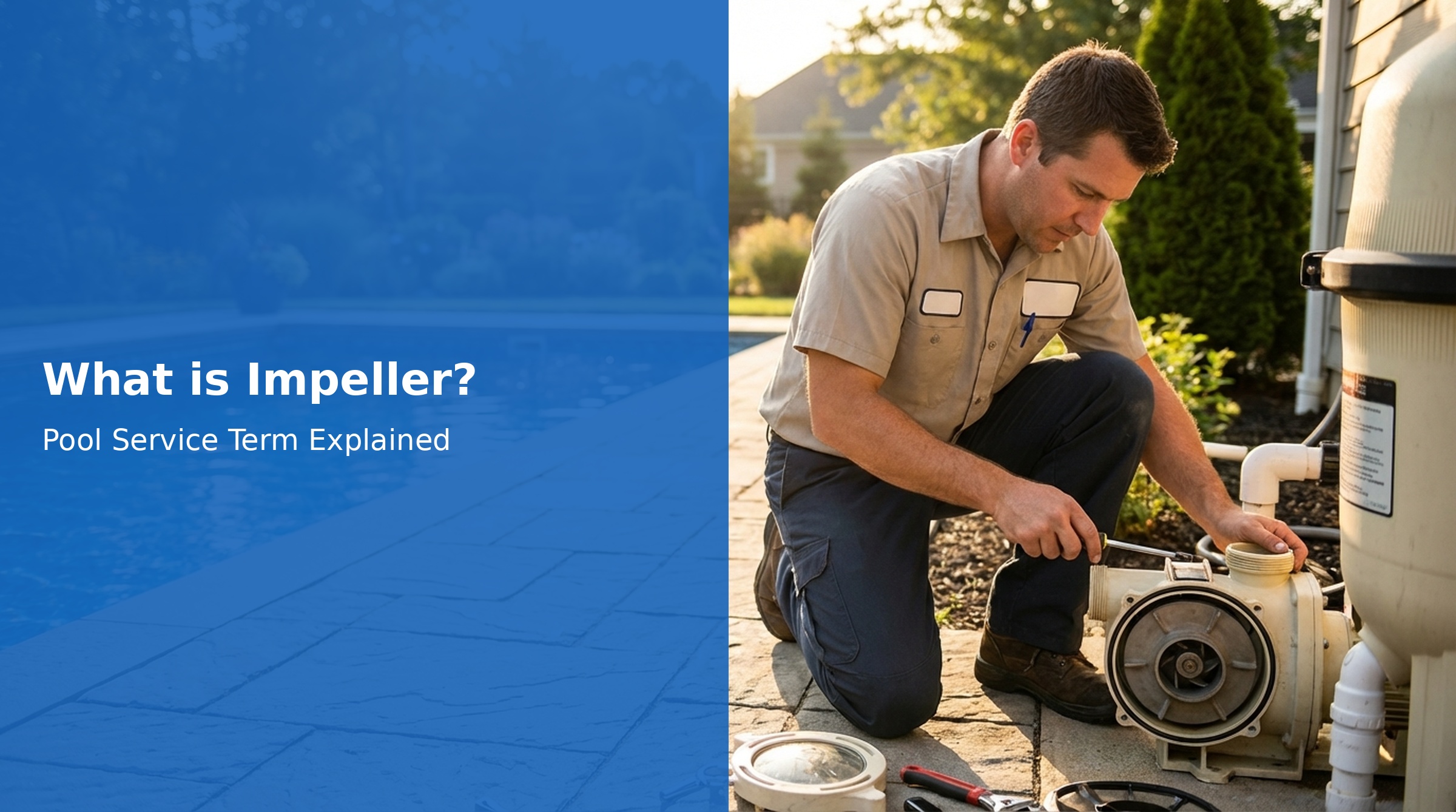
When a pool's circulation suddenly drops or water barely moves through the return jets, experienced service technicians know to look beyond the obvious culprits like clogged skimmer baskets or dirty filters. Often, the real problem lies hidden within the heart of the pump system: a damaged, clogged, or worn impeller. Understanding this critical component and knowing how to diagnose and address impeller issues can mean the difference between a quick service call and a frustrated customer with ongoing circulation problems.
Key Takeaways
- The impeller is the rotating component that creates the suction and pressure needed for proper water circulation
- Common issues include debris clogs, calcium buildup, and damaged vanes that reduce flow rates
- Proper diagnosis involves checking for reduced flow, unusual pump sounds, and visual inspection
- Regular maintenance and water chemistry balance prevent most impeller problems
- Replacement typically requires pump disassembly and matching exact specifications
What Is a Pool Pump Impeller?
The impeller serves as the engine of water movement in any pool circulation system. This rotating component, typically made of plastic, bronze, or stainless steel, sits inside the pump housing and creates the centrifugal force necessary to move thousands of gallons of water through the filtration system daily. When the motor spins the impeller at high speeds—usually between 1,800 and 3,450 RPM—its curved vanes or blades push water outward, creating suction on the intake side and pressure on the discharge side.
Most residential pool pumps use centrifugal impellers, which feature backward-curved vanes that efficiently move large volumes of water at relatively low pressure. The impeller's design directly impacts the pump's performance curve, determining the relationship between flow rate and head pressure for the entire circulation system.
Types of Impellers
Pool service professionals encounter several impeller designs, each suited for specific applications:
- Closed impellers: Feature vanes enclosed between two disks, offering maximum efficiency and self-priming capabilities
- Semi-open impellers: Have vanes attached to one disk, providing good efficiency while handling some debris
- Open impellers: Consist of vanes mounted on a hub without enclosing disks, best for handling debris-laden water
Common Impeller Problems and Their Impact
Impeller issues manifest in several ways, each affecting system performance differently. Recognizing these problems early prevents more serious damage and maintains optimal water circulation.
Debris Clogs
The most frequent impeller problem involves debris becoming lodged between the vanes. Leaves, hair, small toys, and other objects can wrap around or wedge into the impeller, immediately reducing flow rates. In severe cases, large debris can completely stop the impeller from rotating, potentially burning out the motor if not addressed quickly.
Signs of debris clogs include sudden flow reduction, unusual pump noises like grinding or rattling, and visible debris in the pump strainer basket that seems to reappear despite regular cleaning.
Calcium and Scale Buildup
Poor water chemistry, particularly high pH and calcium hardness levels, leads to scale formation on impeller surfaces. This buildup reduces the effective size of the water passages between vanes, decreasing efficiency and flow rates. Over time, heavy scale deposits can unbalance the impeller, causing vibration and premature wear on pump bearings and seals.
Calcium buildup typically develops gradually, making it harder to detect than sudden debris clogs. Technicians should watch for slowly declining flow rates, especially in areas with hard water or pools where water chemistry balance isn't properly maintained.
Physical Damage
Impeller vanes can crack, chip, or break from debris impact, age-related brittleness, or manufacturing defects. Damaged vanes create turbulence and reduce pumping efficiency, while also potentially causing dangerous imbalances at high RPM. Plastic impellers in older pumps are particularly susceptible to UV degradation and thermal stress cracking.
Diagnosing Impeller Issues
Effective impeller diagnosis requires systematic evaluation of symptoms and direct inspection when necessary. Start with these observable indicators:
Performance Symptoms
- Reduced flow rates: Compare current flow to baseline measurements or manufacturer specifications
- Poor skimming action: Debris remains on the surface longer than normal
- Increased run times: Pump runs longer to achieve the same circulation results
- Higher energy costs: Motor works harder to maintain flow against impeller restrictions
Audio and Visual Clues
Unusual pump sounds often indicate impeller problems. Grinding noises suggest debris interference, while squealing or rattling may indicate damaged vanes or impeller imbalance. Excessive vibration at the pump housing also points to impeller issues.
Visual inspection requires removing the pump strainer basket and using a flashlight to examine the impeller through the suction port. Look for obvious debris, scale buildup, or damaged vanes. However, complete assessment usually requires pump disassembly.
Maintenance and Prevention Strategies
Proactive impeller maintenance significantly reduces service calls and extends pump life. Incorporate these practices into regular service routines:
Regular Cleaning
Monthly impeller inspection and cleaning prevents minor issues from becoming major problems. Remove obvious debris and rinse away loose scale deposits. For heavy calcium buildup, use appropriate descaling solutions following manufacturer guidelines.
Water Chemistry Management
Maintaining proper water balance prevents scale formation and corrosion that damage impellers. Keep pH between 7.2-7.6, total alkalinity at 80-120 ppm, and calcium hardness at appropriate levels for your water type. Regular chemical testing and adjustment protects not just the impeller but the entire circulation system.
Skimmer Basket Maintenance
Well-maintained skimmer and pump baskets prevent debris from reaching the impeller. Train customers to empty skimmer baskets regularly and ensure pump baskets are properly installed and in good condition.
Repair and Replacement Procedures
When impeller problems require more than routine cleaning, proper repair techniques ensure lasting results. Always shut off power and relieve system pressure before beginning work.
Impeller replacement typically involves removing the pump from the plumbing, disassembling the wet end, and accessing the impeller assembly. Match replacement parts exactly to original specifications, including impeller diameter, vane configuration, and mounting hardware.
During reassembly, inspect all seals and gaskets, replacing any that show wear or damage. Proper torque specifications and alignment are critical for preventing leaks and ensuring optimal performance.
Conclusion
The impeller may be hidden from view, but its condition directly impacts every aspect of pool water circulation and quality. By understanding how impellers function, recognizing common problems, and implementing preventive maintenance practices, pool service professionals can ensure reliable system performance and avoid costly emergency repairs. Regular attention to this critical component, combined with proper water chemistry maintenance, keeps pools circulating efficiently season after season.
For more technical terms and definitions used in pool service, consult our comprehensive pool service terminology glossary to enhance your professional knowledge and communication with customers.