
What is Main Drain?

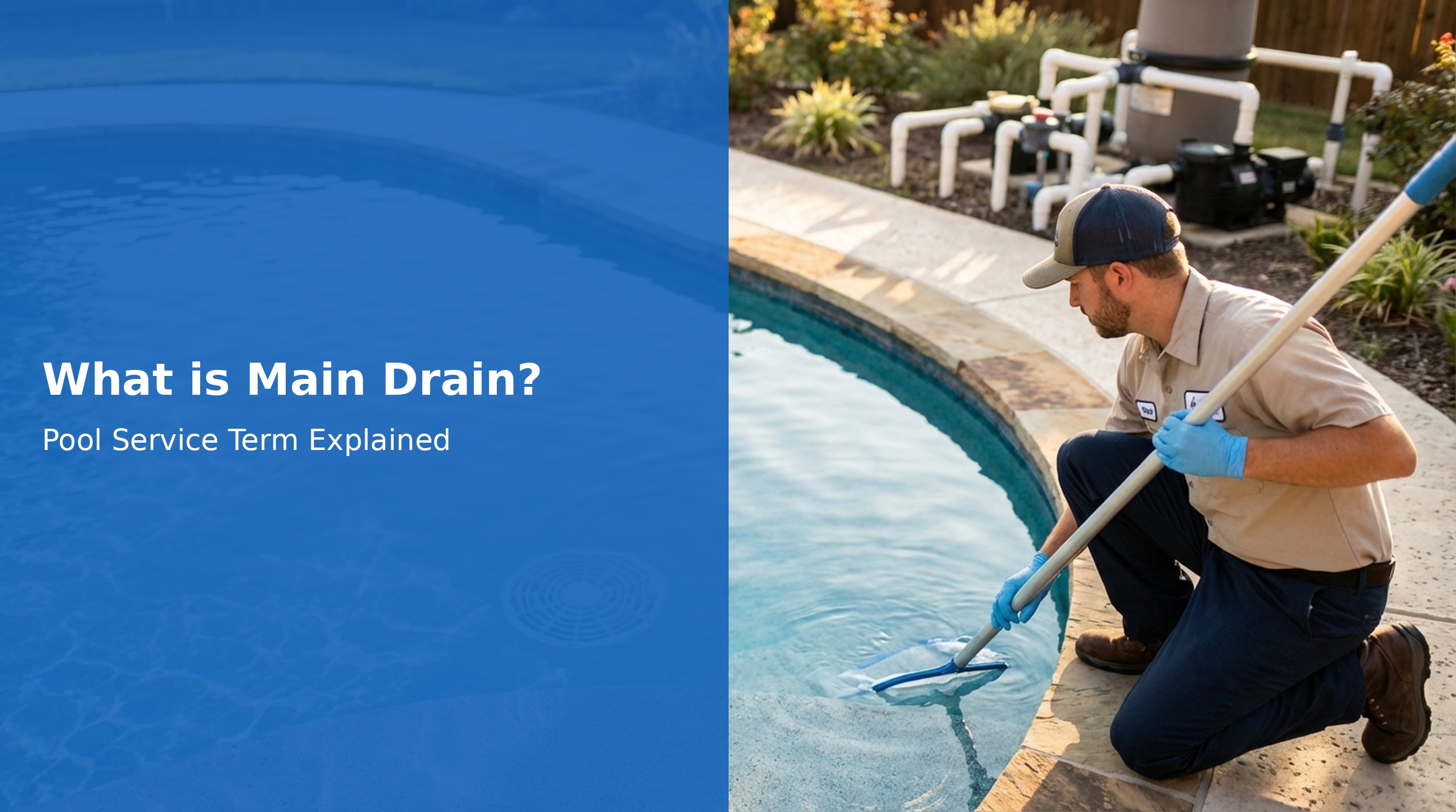
The main drain serves as the foundation of every pool's circulation system, yet many pool service professionals underestimate its critical role in maintaining water quality, safety, and hydraulic efficiency. This essential component, positioned at the deepest point of the pool, works tirelessly to facilitate proper water turnover, debris removal, and chemical distribution throughout the entire vessel.
Key Takeaways
- Main drains are legally required safety features that prevent dangerous suction entrapment
- Proper main drain function is essential for effective chemical circulation and water balance
- Regular inspection and maintenance prevent costly repairs and liability issues
- Multiple drain configurations and anti-vortex covers are mandated by modern safety codes
- Understanding hydraulic principles helps optimize system performance and energy efficiency
Understanding Main Drain Fundamentals
A main drain is a suction fitting installed at the lowest point of a swimming pool, typically in the deep end, that connects to the pool's circulation system through underground plumbing. Unlike skimmers that primarily remove surface debris, main drains facilitate bottom-to-top water circulation, ensuring complete pool turnover and preventing dead zones where contaminants can accumulate.
The main drain assembly consists of several critical components: the drain body (permanently installed in the pool floor), the cover or grate (removable for cleaning and inspection), and the connecting plumbing that routes water to the pump system. Modern installations require dual drain configurations or single drains with approved anti-vortex covers to meet Virginia Graeme Baker Pool and Spa Safety Act requirements.
Safety Regulations and Compliance
Following tragic incidents involving suction entrapment, federal legislation now mandates specific main drain safety features. Pool service professionals must ensure all installations include either multiple drains positioned at least three feet apart, or single drains equipped with approved anti-vortex covers rated for the system's flow rate. These covers create turbulent water flow that prevents the dangerous vacuum seal responsible for entrapment incidents.
Hydraulic Function and Water Chemistry Impact
Main drains play a crucial role in achieving proper water balance and chemical distribution throughout the pool. By drawing water from the deepest point, they help circulate heavier, chemically-treated water that tends to settle, ensuring uniform distribution of sanitizers, pH adjusters, and other treatment chemicals.
The hydraulic relationship between main drains and skimmers directly affects filtration efficiency. Most systems operate with approximately 70% of flow through skimmers and 30% through main drains, though this ratio can be adjusted using valve controls. This balanced approach maximizes both surface skimming and deep water circulation, critical for maintaining optimal water quality.
Chemical Distribution Considerations
When calculating chemical dosages for chlorine, pH, and alkalinity adjustments, consider that poor main drain function can create stratified water layers with varying chemical concentrations. Dead zones near the pool floor often harbor bacteria and algae growth, requiring higher sanitizer levels to maintain safe swimming conditions.
Understanding water balance relationships through tools like the Langelier Saturation Index calculator becomes even more critical when main drain circulation is compromised, as uneven chemical distribution can lead to localized scaling or etching issues.
Common Main Drain Issues and Solutions
Pool service professionals frequently encounter several main drain-related problems that affect system performance and safety compliance. Identifying these issues early prevents costly repairs and ensures continued safe operation.
Blockages and Flow Restrictions
Debris accumulation represents the most common main drain issue. Leaves, hair, small toys, and sediment can obstruct water flow, reducing circulation efficiency and creating dangerous suction conditions. Regular inspection during service visits should include checking for visible debris around drain covers and monitoring pump basket contents for indicators of restricted flow.
Partial blockages often manifest as increased pump noise, reduced water flow at return jets, or difficulty maintaining water clarity despite proper chemical levels. Service professionals should carry appropriate tools for safe debris removal and know when to recommend professional drain cleaning services for severe blockages.
Cover Damage and Replacement
Main drain covers endure constant water pressure, chemical exposure, and potential impact damage. Cracked, warped, or missing covers create immediate safety hazards and must be addressed immediately. Service professionals should inspect covers monthly, checking for secure attachment, structural integrity, and proper flow rating compliance.
When replacing covers, ensure new units meet current VGB Act requirements and match the system's maximum flow rate. Oversized pumps or improperly rated covers can create dangerous suction levels even with compliant hardware.
Maintenance Best Practices
Establishing routine main drain maintenance procedures protects both service professionals and pool users while extending equipment life and system efficiency. These practices should be integrated into regular service protocols rather than treated as occasional tasks.
Visual Inspection Protocols
During each service visit, visually inspect main drain covers for obvious damage, debris accumulation, or loose attachment. Note any changes in water flow patterns around drains, which may indicate developing problems. Document inspection findings to track trends and identify recurring issues that require system modifications.
Flow Testing and Hydraulic Assessment
Periodically test main drain flow by temporarily closing skimmer valves and operating the system solely on main drain suction. This reveals restrictions that might not be apparent during normal operation. However, never perform this test with swimmers in the pool, and limit testing duration to prevent pump damage.
Integration with Overall System Performance
Main drain performance directly impacts every aspect of pool operation, from chemical effectiveness to energy efficiency. Understanding these relationships helps service professionals optimize entire systems rather than addressing individual components in isolation.
Proper main drain function supports effective chemical circulation, which is particularly important when managing cyanuric acid levels and chlorine efficiency. Poor circulation can create localized CYA buildup, affecting sanitizer performance and requiring more frequent cyanuric acid level assessments and corrections.
Professional Service Considerations
Pool service professionals must balance safety compliance, hydraulic efficiency, and cost-effective maintenance when managing main drain systems. This requires understanding both technical requirements and practical service limitations while maintaining clear communication with pool owners about safety priorities.
For comprehensive understanding of main drain terminology and related system components, reference our complete pool service terminology glossary, which provides detailed definitions and context for all essential pool service concepts.
Main drains represent far more than simple suction fittings – they're integral safety devices and circulation system components that require professional attention and respect. By understanding their function, maintaining them properly, and recognizing their impact on overall pool performance, service professionals can ensure safe, efficient pool operation while protecting themselves and their clients from preventable hazards and regulatory violations.