
What is Multiport Valve?

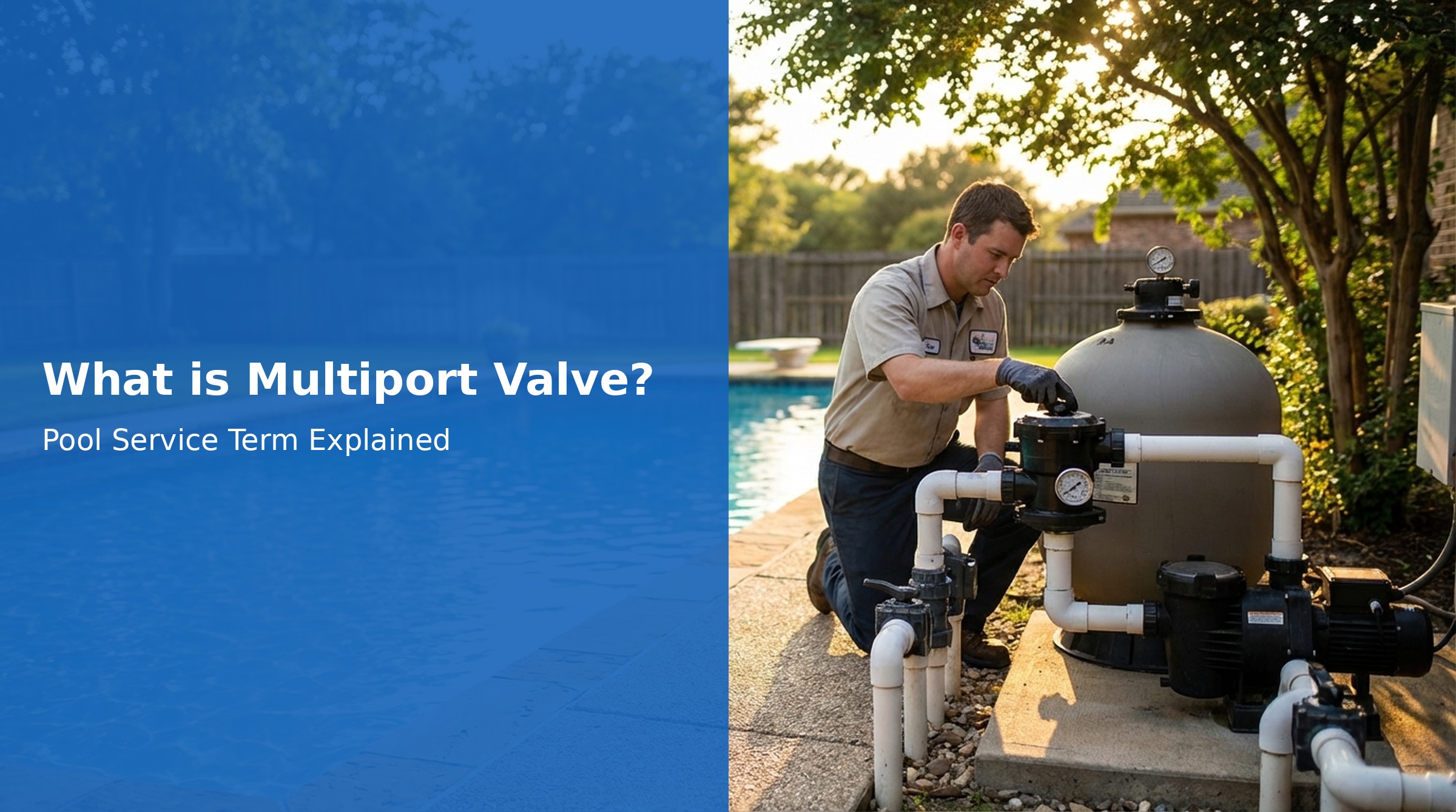
The multiport valve stands as one of the most critical components in sand and diatomaceous earth (DE) filtration systems, yet it's also one of the most misunderstood pieces of pool equipment among newer service technicians. This single valve controls multiple water flow paths through your filtration system, making it essential for proper pool maintenance, cleaning cycles, and troubleshooting. Understanding its operation isn't just about knowing which position does what—it's about protecting expensive equipment, maintaining water quality, and delivering professional service that keeps your clients' pools operating at peak efficiency.
Key Takeaways
- Always turn off the pump before changing valve positions to prevent water hammer damage
- Six standard positions serve specific functions: Filter, Backwash, Rinse, Waste, Recirculate, and Closed
- Proper sequencing of valve positions during maintenance extends filter media life
- Regular valve maintenance prevents costly repairs and maintains system efficiency
- Understanding flow patterns helps diagnose filtration problems quickly
Understanding Multiport Valve Construction and Function
The multiport valve consists of a valve body housing a rotating disc or rotor that aligns with different ports to direct water flow. This seemingly simple design manages complex water routing that would otherwise require multiple separate valves and an intricate plumbing system. The valve body typically mounts on top of sand filters or alongside DE filters, connected via unions for easy service access.
The internal rotor contains strategically placed openings that align with corresponding ports in the valve body. When you rotate the handle, you're positioning these openings to create specific flow patterns through the filtration system. The precision of this alignment is crucial—even slight misalignment can cause pressure loss, bypass unfiltered water, or create damaging cross-flows.
The Six Standard Positions Explained
Filter Position
This is the normal operating position for daily filtration. Water flows from the pool through the pump, into the top of the filter, down through the sand or DE media, and returns clean to the pool. The multiport valve directs this filtered water through the return port back to the pool. Pool service professionals should verify this position is properly set during each service visit, as homeowners sometimes inadvertently change positions.
Backwash Position
During backwashing, water flow reverses through the filter media. Clean water enters the bottom of the filter, flows upward through the sand or DE, lifting debris and contaminants, then exits through the waste port. This position is essential for sand filter maintenance and for removing old DE coating from DE filters. Proper backwashing technique involves monitoring the sight glass until water runs clear, typically 2-3 minutes for sand filters.
Rinse Position
After backwashing, the rinse position settles sand beds and removes any remaining loose debris before returning to normal filtration. Water flows in the normal direction through the filter but exits through the waste port instead of returning to the pool. This prevents dirty water from re-entering the pool and ensures the sand bed is properly settled for optimal filtration.
Waste Position
The waste position bypasses the filter entirely, sending water directly from the pump to the drain. This position is invaluable for vacuuming heavily contaminated pools, draining water for chemical adjustments, or removing water that's too dirty to process through the filter media. It's also useful when lowering water levels before pool closings or severe weather.
Recirculate Position
In recirculate mode, water bypasses the filter and returns directly to the pool. This position allows for water circulation when the filter is being serviced, when adding chemicals that need mixing but shouldn't immediately contact filter media, or when troubleshooting filtration problems. Some service protocols recommend using recirculate when adding certain chemical treatments to ensure proper distribution.
Closed Position
The closed position stops all water flow through the system. Use this position when servicing equipment, changing valve positions safely, or during extended equipment shutdowns. Never operate the pump with the valve in the closed position, as this will cause rapid pressure buildup and potential equipment damage.
Critical Operating Procedures and Safety
The most important rule when operating multiport valves is to always turn off the pump before changing positions. Moving the valve handle while the pump runs creates water hammer—a pressure shock that can crack valve bodies, damage internal components, or stress plumbing connections. This simple mistake accounts for numerous expensive service calls and equipment replacements.
When changing positions, turn the handle slowly and ensure it seats fully in each position. Most quality valves have positive stops and alignment indicators. If a handle doesn't turn easily or doesn't align properly, investigate before forcing it—internal debris or worn components may be preventing proper operation.
Maintenance and Troubleshooting
Regular multiport valve maintenance extends equipment life and prevents service disruptions. Inspect the pressure gauge during each service visit—unusual pressure readings often indicate valve problems before they become obvious. High pressure might suggest a partially blocked position, while low pressure could indicate internal bypass due to worn seals or misalignment.
The valve's sight glass provides valuable diagnostic information during backwashing. Cloudy water that doesn't clear after extended backwashing might indicate channeling in sand filters or insufficient DE coating. Conversely, water that clears immediately might suggest short-cycling due to valve problems or inadequate filter media.
Annual valve service should include removing and inspecting internal components. The rotor and valve body seats experience wear from sand particles and chemical exposure. Replacing worn seals and lubricating moving parts prevents expensive failures during peak season. Keep detailed records of valve service—patterns of wear often reveal underlying system problems like poor water chemistry or filtration issues.
For comprehensive pool maintenance, proper chemical balance works hand-in-hand with mechanical filtration. Our chemical dosage calculator helps ensure optimal water chemistry that protects both your filtration equipment and provides sparkling clean water.
Common Problems and Solutions
Leaking multiport valves typically indicate worn internal seals or spider gaskets. External leaks around unions or the valve body often result from thermal expansion stress or over-tightening during installation. Internal leaks, where water flows to unintended ports, usually require valve rebuild or replacement.
Difficulty turning valve handles may indicate debris in the valve body, corrosion from poor water chemistry, or mechanical damage from water hammer. Never force a stuck valve handle—instead, turn off the system, relieve pressure, and investigate the cause.
If you encounter unfamiliar terminology during valve service or system diagnosis, refer to our comprehensive pool service terminology glossary for quick reference and professional communication with clients.
Maximizing System Efficiency
Understanding multiport valve operation enhances overall system efficiency and service quality. Proper backwashing frequency depends on bather load, environmental conditions, and water chemistry. Over-backwashing wastes water and removes beneficial biofilm from sand filters, while under-backwashing reduces filtration efficiency and increases chemical demand.
For DE filters, the multiport valve enables proper filter cake removal and reapplication. The waste position allows for complete DE removal, while the recirculate position helps distribute new DE coating evenly before returning to filter mode.
Professional pool service means understanding how each component contributes to overall system performance. The multiport valve isn't just a switching mechanism—it's a diagnostic tool, maintenance enabler, and efficiency optimizer that separates professional service from basic pool cleaning. Master its operation, maintain it properly, and you'll deliver the reliable, professional service that builds long-term client relationships and business success.