
What is Pink Slime?

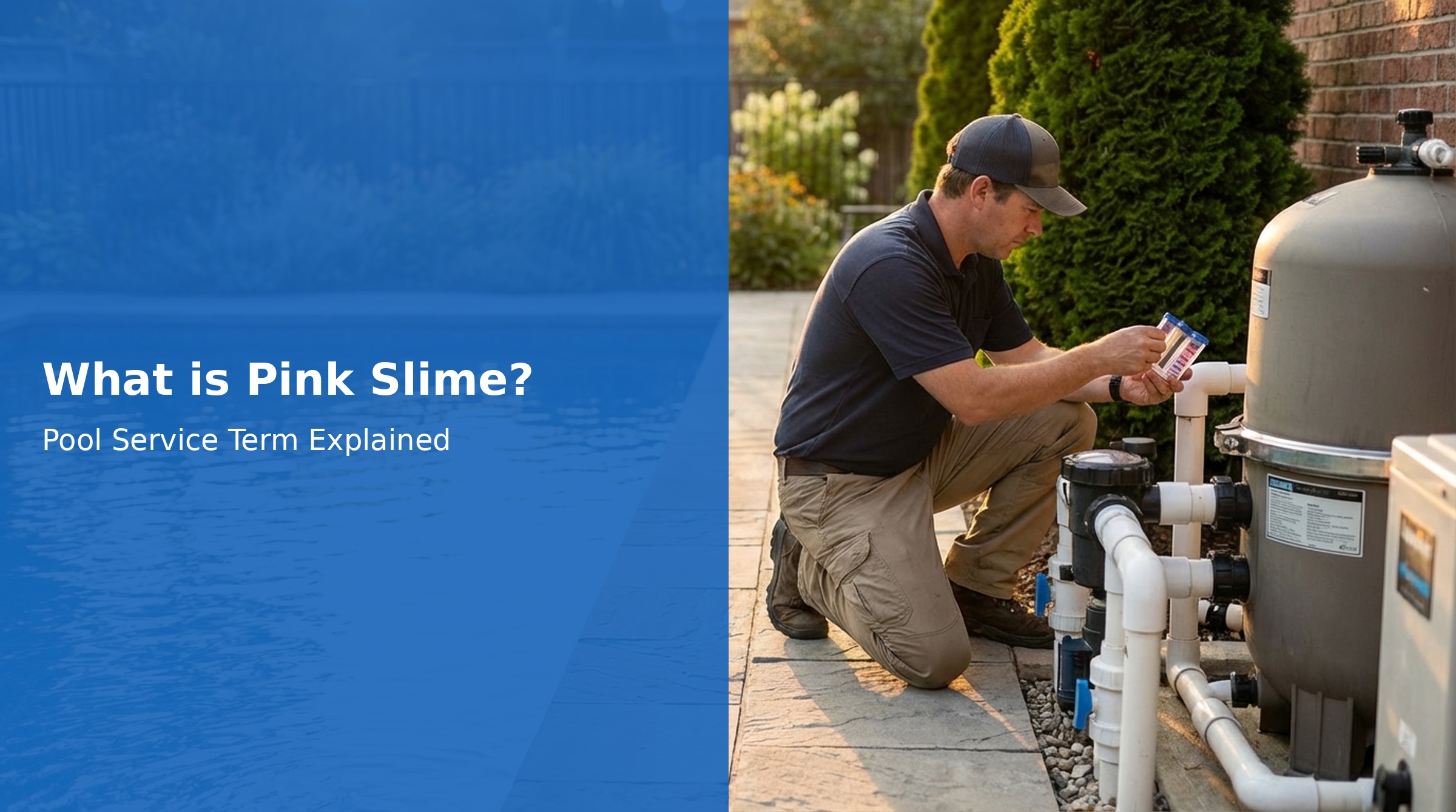
Pink slime in swimming pools is one of the most persistent and challenging contamination issues pool service professionals encounter. Unlike traditional algae blooms that turn water green, pink slime presents as a slimy, pinkish biofilm that adheres stubbornly to pool surfaces, equipment, and plumbing systems. This bacterial contamination, scientifically known as Serratia marcescens or related pink-pigmented bacteria, requires specialized knowledge and treatment protocols to eliminate effectively.
Key Takeaways
- Pink slime is a bacterial biofilm, not algae, requiring different treatment approaches
- It thrives in warm, humid conditions with poor circulation and low sanitizer levels
- Physical removal combined with shock chlorination is essential for elimination
- Prevention through proper water balance and circulation is more effective than treatment
- Complete system cleaning, including filtration and plumbing, is necessary for full eradication
Understanding Pink Slime: The Science Behind the Problem
Pink slime isn't actually slime at all—it's a complex bacterial biofilm composed primarily of Serratia marcescens and other pink-pigmented bacteria. These microorganisms produce a protective polysaccharide matrix that gives the characteristic slimy texture and pink coloration. The biofilm structure makes these bacteria incredibly resistant to standard sanitization methods, which is why pink slime problems often persist despite seemingly adequate chlorine levels.
The pink pigmentation comes from prodigiosin, a natural antibiotic compound produced by the bacteria. This same compound contributes to the biofilm's resistance to chemical treatment, making pink slime one of the most challenging pool contamination issues to resolve completely.
Environmental Conditions That Promote Growth
Pink slime bacteria thrive in specific environmental conditions commonly found in poorly maintained pools:
- Temperature: Optimal growth occurs between 77-86°F (25-30°C)
- pH levels: Alkaline conditions above 7.6 promote bacterial growth
- Low sanitizer residuals: Chlorine levels below 2.0 ppm provide insufficient bactericidal action
- Poor circulation: Dead spots and stagnant areas allow biofilm establishment
- Organic contamination: Bather load, debris, and inadequate filtration provide nutrients
Identification and Assessment
Recognizing pink slime early is crucial for effective treatment. Pool service professionals should look for these characteristic signs:
Visual Indicators
Pink slime typically appears as a thin, slimy film with a distinctive pink to reddish coloration. Unlike algae, which can often be brushed away easily, pink slime feels notably slippery and tends to smear when disturbed rather than flaking off cleanly. Common locations include:
- Waterline areas and tile surfaces
- Steps, ladders, and handrails
- Skimmer baskets and return fittings
- Filter housing and equipment surfaces
- Pool lights and light niches
Distinguishing from Other Contaminants
Pink slime is often confused with pink algae or mustard algae. Key distinguishing factors include the slimy texture, resistance to brushing, and tendency to reform quickly after physical removal. Unlike algae, pink slime doesn't respond well to standard algaecides and requires bacterial-specific treatment protocols.
Treatment Protocol for Pink Slime Elimination
Effective pink slime treatment requires a systematic approach combining physical removal, chemical treatment, and system cleaning. Half-measures typically result in rapid recontamination.
Step 1: Physical Removal
Begin treatment by physically removing as much biofilm as possible. Use dedicated brushes and cleaning tools that won't cross-contaminate other pools. Focus on:
- Aggressive brushing of all visible slime deposits
- Removal and cleaning of all removable equipment
- Vacuuming debris to waste rather than through the filter system
- Manual cleaning of waterline and tile surfaces
Step 2: Water Chemistry Optimization
Before applying sanitizer, ensure water chemistry is properly balanced. Use our chemical dosage calculator to determine proper chlorine levels and pH adjustments. Target parameters include:
- pH: 7.2-7.4 (lower end enhances chlorine effectiveness)
- Total alkalinity: 80-120 ppm
- Calcium hardness: 200-400 ppm
- Cyanuric acid: Below 50 ppm for treatment effectiveness
Step 3: Shock Chlorination
Apply liquid chlorine to achieve 20-30 ppm free chlorine. Granular shock products may be less effective due to their higher pH. Maintain high chlorine levels for 24-48 hours while continuously circulating water. Monitor chlorine demand carefully, as biofilm breakdown consumes significant sanitizer.
Step 4: System Sanitization
Pink slime bacteria often colonize filtration systems, plumbing, and equipment. Complete treatment requires:
- Filter replacement or intensive cleaning with chlorine solution
- Circulation system shocking with elevated chlorine levels
- Equipment disinfection using appropriate sanitizing solutions
- Extended circulation periods to ensure complete system contact
Prevention Strategies
Preventing pink slime is significantly more cost-effective than treatment. Implement these preventive measures in your service protocols:
Regular Water Balance Maintenance
Consistent water chemistry prevents the conditions that allow pink slime establishment. Use tools like our Langelier Saturation Index calculator to maintain proper water balance and prevent both scaling and corrosion that can harbor bacteria.
Enhanced Sanitization Protocols
Maintain chlorine residuals of 2.0-4.0 ppm consistently, with regular shock treatments during peak season. Consider supplemental sanitization methods in high-risk pools, such as UV systems or ozone generation.
Improved Circulation and Filtration
Eliminate dead spots through proper return fitting adjustment and consider additional circulation equipment in problematic areas. Ensure adequate turnover rates and maintain filtration systems properly.
Professional Service Considerations
Pink slime treatment presents unique challenges for pool service professionals. Document contamination thoroughly, communicate treatment timelines clearly to customers, and ensure proper equipment disinfection between service calls to prevent cross-contamination.
Consider developing specialized pink slime treatment packages that include multiple visits, as single-visit treatments rarely achieve complete elimination. Educate customers about prevention to reduce future occurrences and build long-term service relationships.
Conclusion
Pink slime represents one of the most challenging bacterial contamination issues in pool service, requiring specialized knowledge and systematic treatment approaches. Success depends on understanding the bacterial nature of the problem, implementing comprehensive treatment protocols, and focusing on prevention through proper water balance and circulation. By mastering pink slime identification and treatment, pool service professionals can differentiate their services and provide exceptional value to customers facing this persistent problem.
For additional technical terms and definitions, reference our comprehensive pool service terminology glossary to enhance your professional knowledge and communication with customers.