
What is Pump Basket?

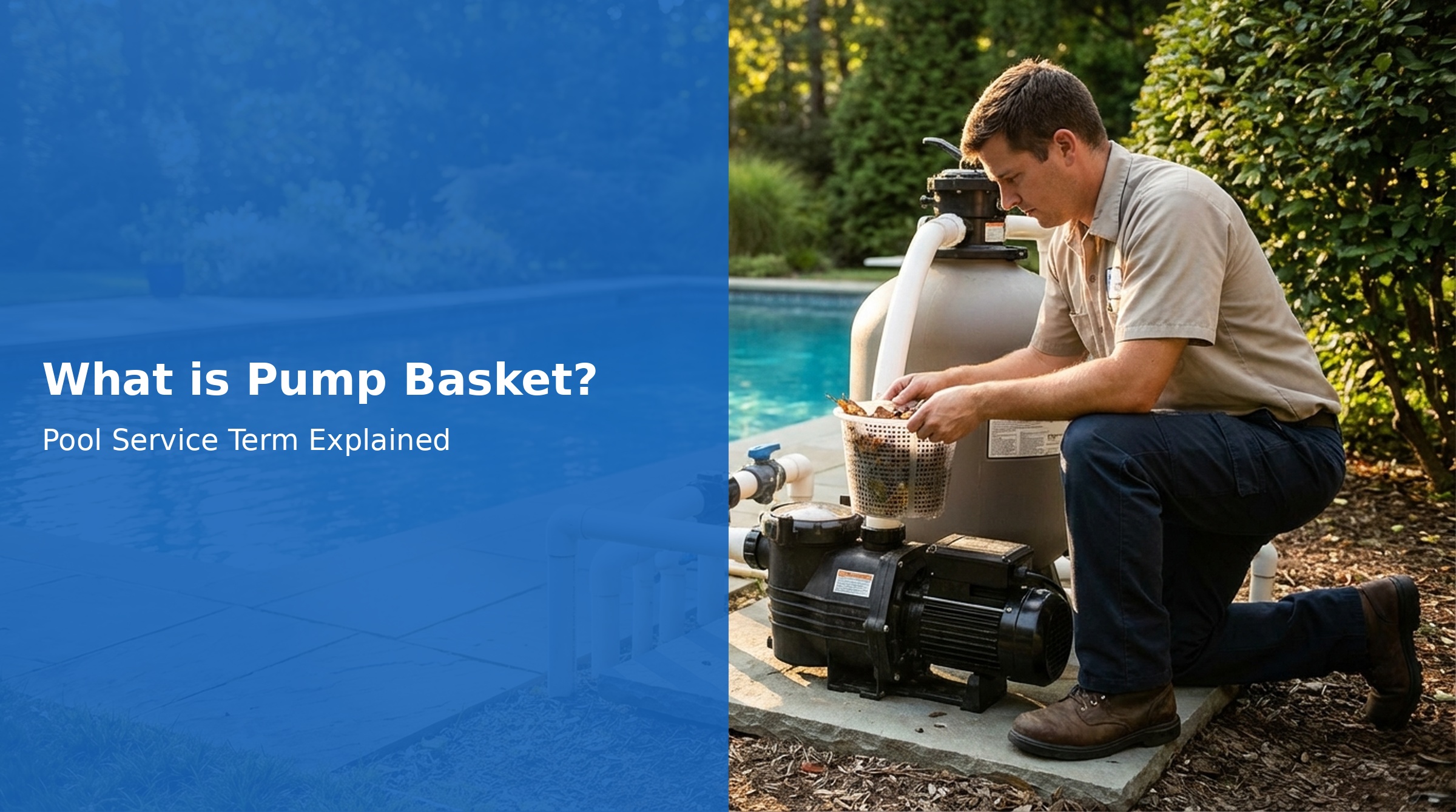
The pump basket is one of the most critical yet often overlooked components in pool circulation systems. As pool service professionals, understanding the proper maintenance and function of pump baskets can make the difference between a smoothly operating system and costly equipment failures. This essential pre-filter component serves as the first line of defense for your pool's circulation equipment, protecting expensive impellers and ensuring optimal water flow throughout the system.
Key Takeaways
- Pump baskets prevent debris from damaging impellers and restricting water flow
- Regular cleaning every 1-2 weeks maintains optimal system performance
- Cracked or warped baskets should be replaced immediately to prevent equipment damage
- Proper installation with gasket alignment prevents air leaks and priming issues
- Different pump models require specific basket sizes and configurations
What Is a Pump Basket?
A pump basket, also known as a strainer basket or pump strainer, is a removable cylindrical filter component located inside the pump's hair and lint trap. Constructed from durable plastic with perforated walls or mesh sides, the pump basket captures leaves, hair, lint, and other debris before water enters the pump's impeller chamber.
The basket sits within the pump housing's pre-filter chamber, accessible through a clear or translucent lid that allows visual inspection of debris accumulation. Most residential pool pumps feature baskets with mesh openings ranging from 1/8 inch to 1/4 inch, sized to catch problematic debris while maintaining adequate water flow.
Critical Functions in Pool Circulation
Impeller Protection
The primary function of the pump basket is protecting the impeller from damage. Pool impellers operate at high speeds, typically 1,750 to 3,450 RPM, making them vulnerable to damage from debris. Hair can wrap around impeller vanes, reducing efficiency and potentially causing mechanical failure. Larger debris like leaves or toys can jam the impeller entirely, leading to motor overheating and costly repairs.
Maintaining Water Flow
Clean pump baskets ensure unrestricted water flow through the circulation system. As debris accumulates, flow restriction increases, forcing the pump to work harder while delivering less circulation. This reduced flow affects chemical distribution, filtration efficiency, and overall water quality.
System Pressure Management
A clogged pump basket creates back-pressure in the suction line, potentially causing cavitation within the pump. Cavitation occurs when water pressure drops below vapor pressure, creating bubbles that collapse violently when pressure increases. This phenomenon can damage impellers, volutes, and seals, requiring expensive repairs.
Inspection and Maintenance Procedures
Visual Assessment
Begin each service visit with a visual inspection of the pump basket through the transparent lid. Note debris levels, water clarity, and any visible damage to the basket structure. A basket more than half full requires immediate cleaning, while completely full baskets indicate inadequate maintenance frequency.
Proper Removal Technique
Before removing the pump basket, always turn off the pump and close suction line valves if available. Remove the pump lid carefully, noting the gasket position. Lift the basket straight up using the built-in handle or rim, avoiding tilting that could dump debris back into the pump housing.
Cleaning Protocol
Empty debris from the basket away from the pool area to prevent recontamination. Rinse thoroughly with a garden hose, using a brush to remove stubborn debris from mesh openings. For heavily soiled baskets, soak in a mild detergent solution before rinsing. Inspect for cracks, warping, or damaged mesh during cleaning.
Common Issues and Solutions
Frequent Clogging
Pump baskets that require cleaning more than twice weekly often indicate upstream issues. Check skimmer baskets for damage or improper installation, inspect pool covers for excessive debris accumulation, and evaluate landscaping around the pool for excessive organic matter. Consider upgrading to a larger capacity basket if available for your pump model.
Basket Damage
Cracked or warped baskets allow debris to bypass filtration, potentially damaging downstream equipment. Replace damaged baskets immediately, ensuring the replacement matches the original specifications. Using incorrect basket sizes can create flow restrictions or allow oversized debris to pass through.
Installation Problems
Improperly seated baskets can restrict flow or create noise during operation. Ensure the basket sits flat on the pump housing bottom with the rim properly positioned. Check that the handle or lifting tabs don't interfere with lid installation, and verify that the lid gasket seals correctly.
Professional Service Tips
Maintenance Scheduling
Incorporate pump basket inspection into every service visit, with cleaning frequency adjusted based on debris load and seasonal conditions. During heavy leaf fall or after storms, more frequent cleaning may be necessary. Document basket condition and cleaning frequency to identify patterns and optimize service schedules.
Customer Education
Educate pool owners about the importance of pump basket maintenance, especially for pools with variable speed pumps where reduced flow may not be immediately apparent. Provide clear instructions for safe basket removal and cleaning, emphasizing the importance of turning off equipment before service.
Inventory Management
Stock replacement baskets for common pump models in your service area. Consider carrying universal baskets that fit multiple pump brands, but always verify compatibility before installation. Keep detailed records of pump models and basket part numbers for efficient ordering and replacement.
Integration with Water Chemistry Management
Proper circulation maintained through clean pump baskets directly impacts chemical distribution and effectiveness. Poor circulation creates dead zones where sanitizer levels drop, allowing algae growth and requiring increased chemical usage. When optimizing chemical programs using tools like our chemical dosage calculator, remember that circulation efficiency affects chemical distribution and consumption rates.
Conclusion
The pump basket represents a small but crucial component in pool circulation systems that demands regular attention from service professionals. By maintaining clean, properly functioning pump baskets, you protect expensive equipment, ensure optimal water circulation, and maintain the foundation for effective water treatment. Regular inspection, proper cleaning techniques, and prompt replacement of damaged baskets will keep your customers' pools operating efficiently while minimizing service callbacks and equipment failures. For additional technical terminology and maintenance procedures, consult our comprehensive pool service terminology glossary to enhance your professional knowledge and service capabilities.