
What is Sand Filter?

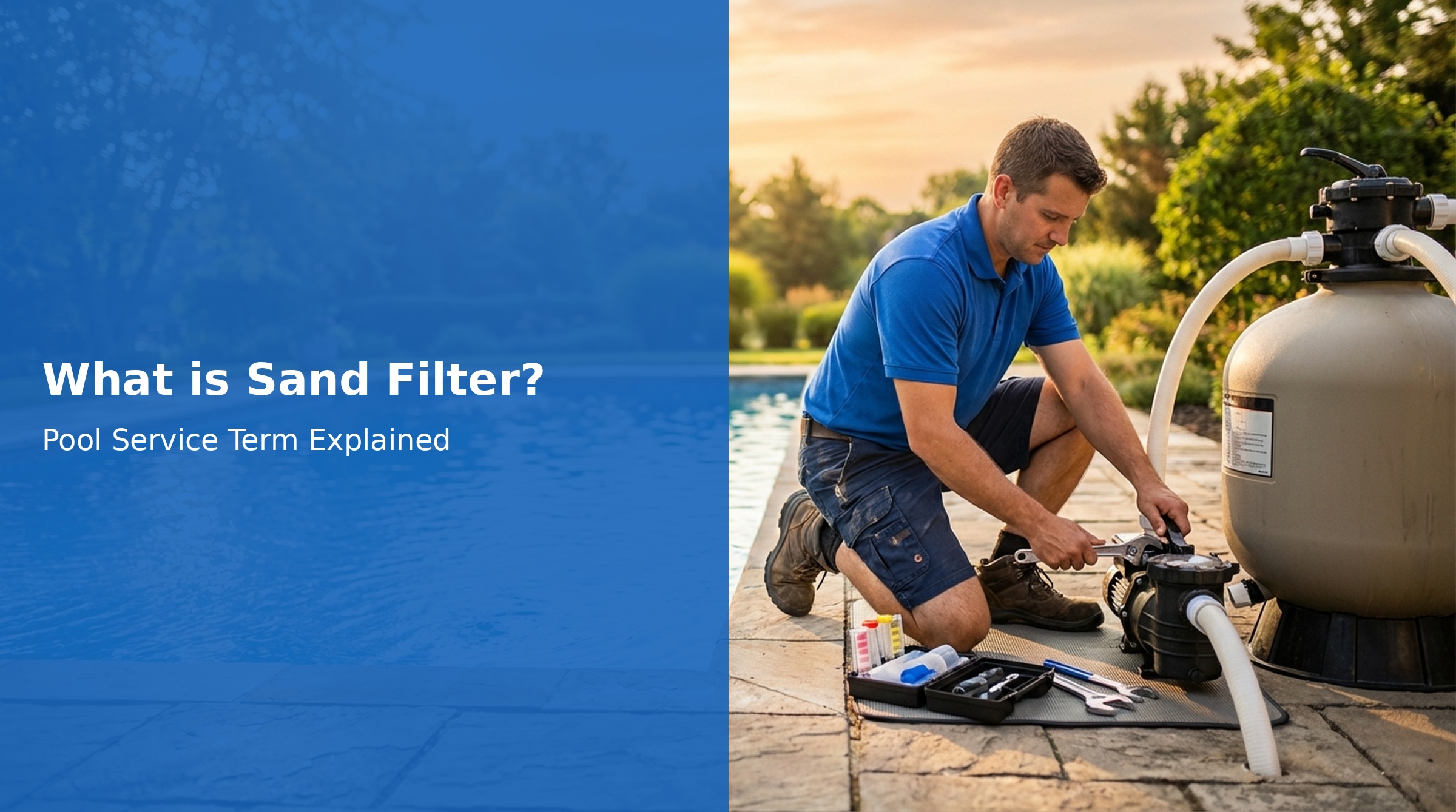
Sand filters remain one of the most popular and reliable filtration systems in the pool service industry, offering a perfect balance of effectiveness, durability, and cost-efficiency. As a pool service professional, understanding the intricacies of sand filter operation, maintenance, and troubleshooting is essential for delivering quality service to your clients while maximizing equipment longevity.
Key Takeaways
- Sand filters effectively remove particles down to 20-40 microns using silica sand as the filtration medium
- Regular backwashing (weekly or bi-weekly) is essential for maintaining optimal filtration performance
- Filter sand should be replaced every 5-7 years to prevent channeling and maintain water clarity
- Proper water chemistry extends sand filter life and improves filtration efficiency
- Understanding pressure differentials helps determine when backwashing is needed
How Sand Filters Work
Sand filters operate on the principle of depth filtration, where water passes through a bed of specially graded silica sand that traps contaminants and debris. The filtration process occurs as pool water enters the filter tank through the multiport valve, flows down through the sand bed, and exits through lateral distributors at the bottom of the tank.
The sand bed creates a mechanical barrier that captures particles, oils, and other contaminants. As debris accumulates within the sand matrix, the filter actually becomes more efficient at trapping smaller particles. However, this increased efficiency comes at the cost of reduced flow rate and higher operating pressure, necessitating regular backwashing to maintain optimal performance.
Filtration Media Specifications
Professional-grade sand filters typically use #20 silica sand with grain sizes ranging from 0.45mm to 0.55mm. This specific gradation provides the ideal balance between filtration efficiency and water flow. Using sand that's too fine can cause excessive pressure buildup and reduced flow rates, while sand that's too coarse won't effectively capture smaller particles.
Backwashing Process and Frequency
Backwashing is the process of reversing water flow through the filter to flush out accumulated debris and restore filtration capacity. This critical maintenance procedure should be performed when the pressure gauge reads 8-10 PSI above the clean starting pressure, or at minimum every two weeks during peak swimming season.
The proper backwashing sequence involves setting the multiport valve to "backwash," running the pump until the sight glass shows clear water (typically 2-3 minutes), then switching to "rinse" for 30-60 seconds before returning to "filter" mode. This process removes trapped contaminants and redistributes the sand bed for optimal filtration.
Common Backwashing Mistakes
Many service technicians make the mistake of over-backwashing or under-backwashing their sand filters. Over-backwashing wastes water and chemicals while removing beneficial filter aid that improves filtration efficiency. Under-backwashing leads to channeling, reduced flow rates, and poor water quality. Monitor pressure differentials closely and maintain detailed service records to establish optimal backwashing intervals for each pool.
Sand Replacement and Maintenance
Despite regular backwashing, filter sand gradually loses effectiveness due to chemical breakdown, calcium buildup, and the formation of channels through the sand bed. Professional pool service providers should recommend sand replacement every 5-7 years, or sooner if water quality issues persist despite proper chemical balance and regular backwashing.
When replacing sand, completely drain the filter tank and remove all old sand, including any debris that may have settled at the bottom. Inspect laterals for cracks or damage, as broken laterals can allow sand to enter the pool plumbing system. Add new sand gradually while filling the tank with water to prevent damage to the laterals and ensure proper sand bed formation.
Alternative Filter Media
While traditional silica sand remains the standard, alternative media such as glass media or zeolite can provide enhanced filtration performance. Glass media typically lasts longer than sand and filters particles down to 5-10 microns, while zeolite offers additional chemical filtration properties. These alternatives cost more initially but may provide better long-term value for discerning clients.
Troubleshooting Common Sand Filter Issues
Sand filters can develop various problems that affect water quality and system efficiency. Short cycling between backwashes often indicates channeling in the sand bed, requiring sand replacement or deep cleaning with filter cleaner. Cloudy water despite proper chemical balance may signal inadequate filtration due to worn sand or insufficient run times.
Sand appearing in the pool typically indicates cracked laterals or a damaged standpipe, requiring immediate attention to prevent equipment damage. High pressure that doesn't decrease after backwashing suggests severe channeling or calcification of the sand bed, often requiring professional cleaning or sand replacement.
Pressure Monitoring and Documentation
Maintain detailed pressure logs for each sand filter system to establish baseline operating pressures and track performance trends. Document starting pressures after sand replacement, typical pressure increases between backwashes, and any unusual pressure spikes that might indicate equipment problems. This data helps optimize maintenance schedules and identify potential issues before they become costly problems.
Chemical Balance and Filter Performance
Proper water chemistry significantly impacts sand filter performance and longevity. High pH levels can cause calcium precipitation in the sand bed, leading to channeling and reduced efficiency. Low pH can dissolve protective calcium carbonate deposits, allowing more contaminants to pass through the filter.
Maintain pH between 7.2-7.6 and total alkalinity between 80-120 ppm for optimal filter performance. Use the Langelier Saturation Index calculator to ensure water balance prevents both scaling and corrosion, which can damage filter components and reduce effectiveness.
Regular use of clarifiers and flocculants can enhance sand filter performance by binding smaller particles together, making them easier to capture. However, avoid over-treatment, which can clog the sand bed and require more frequent backwashing.
Maximizing Sand Filter Efficiency
To get the most from sand filter systems, establish proper run times based on pool volume and bather load. Most residential pools require 8-12 hours of filtration daily, with high-use commercial pools needing continuous operation. Adjust run times seasonally and increase filtration during heavy use periods or adverse weather conditions.
Consider implementing variable speed pumps with sand filters to optimize energy efficiency while maintaining adequate filtration. Lower speeds can actually improve filtration efficiency by allowing more contact time between water and sand, while higher speeds can be used during backwashing for maximum cleaning effectiveness.
Understanding sand filter operation, maintenance, and troubleshooting enables pool service professionals to provide superior service while minimizing callbacks and maximizing customer satisfaction. Regular backwashing, proper chemical balance, and timely sand replacement ensure these reliable filtration systems continue delivering crystal-clear water for years to come. For additional technical terms and definitions, consult our comprehensive pool service terminology glossary to expand your professional knowledge base.