
What is Soda Ash?

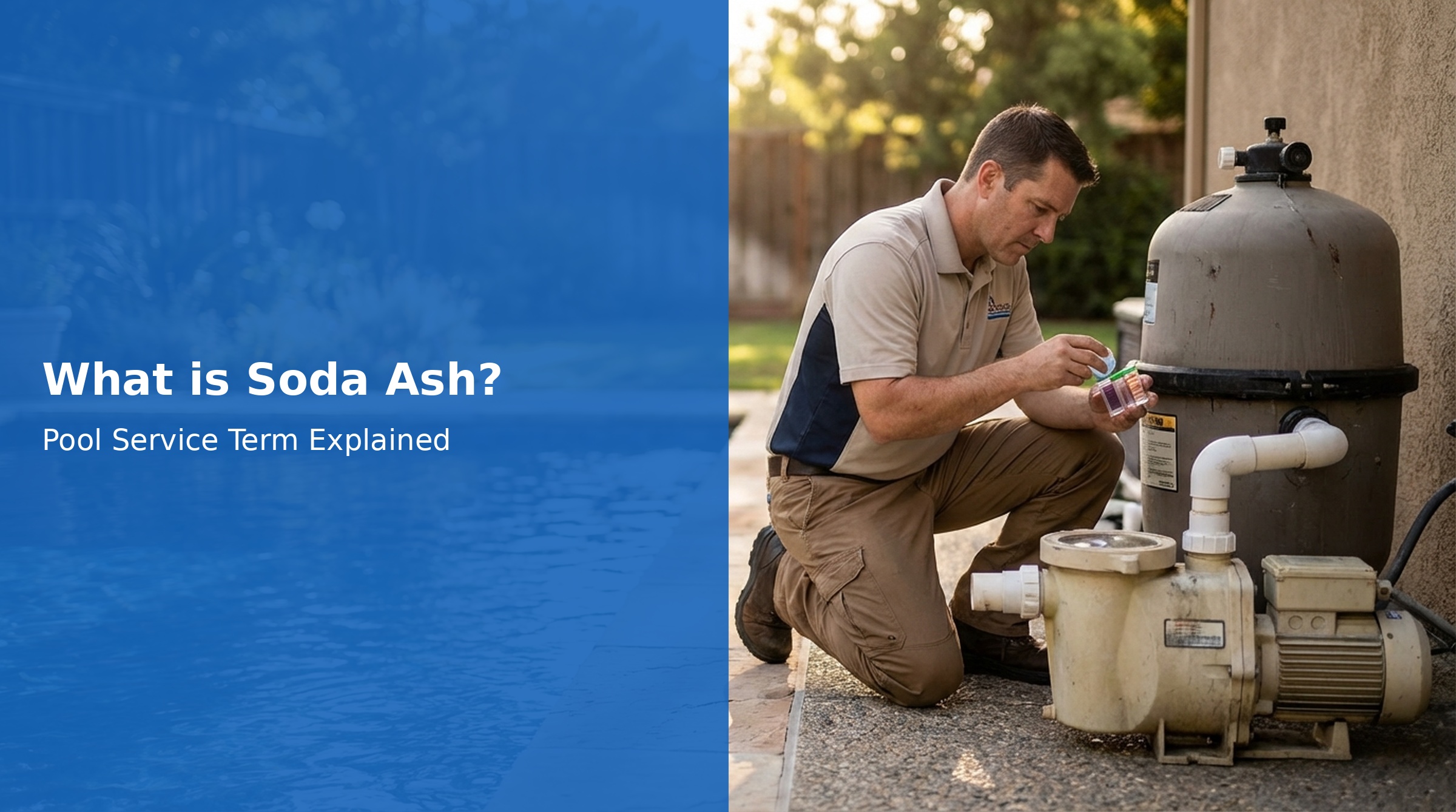
Soda ash stands as one of the most crucial yet often misunderstood chemicals in professional pool maintenance. This powerful alkaline compound serves as the primary tool for raising pH levels in swimming pools, making it an indispensable component of every pool service professional's chemical arsenal. Understanding how to properly use soda ash can mean the difference between crystal-clear water and a maintenance nightmare that frustrates both technicians and pool owners alike.
Key Takeaways
- Soda ash (sodium carbonate) is the most effective chemical for raising pool pH levels
- It raises both pH and total alkalinity, requiring careful calculation and application
- Proper pre-dissolving and broadcasting techniques prevent localized damage to pool surfaces
- Understanding the relationship between pH, alkalinity, and soda ash is critical for water balance
- Safety precautions are essential when handling this caustic chemical
What Is Soda Ash?
Soda ash, chemically known as sodium carbonate (Na₂CO₃), is a white, odorless powder that dissolves readily in water to create a highly alkaline solution. In pool maintenance, soda ash serves as the go-to chemical for raising pH levels when they drop below the ideal range of 7.2 to 7.6. Unlike other pH adjusters, soda ash works quickly and efficiently, making it particularly valuable for commercial pools and high-bather-load facilities where pH can drop rapidly.
The chemical is manufactured through the Solvay process or mined from natural deposits, with pool-grade soda ash typically containing 99% or higher sodium carbonate concentration. This high purity ensures consistent results and minimizes the introduction of unwanted impurities into pool water.
How Soda Ash Works in Pool Water
When soda ash dissolves in pool water, it releases carbonate ions that consume hydrogen ions, effectively raising the pH. This chemical reaction also increases total alkalinity, which is why pool professionals must carefully calculate dosages using tools like a chemical dosage calculator to avoid overcorrection.
The reaction occurs as follows: Na₂CO₃ + H₂O → 2Na⁺ + CO₃²⁻ + H₂O, where the carbonate ions (CO₃²⁻) bind with available hydrogen ions, shifting the water toward the alkaline side of the pH scale.
When and Why to Use Soda Ash
Pool service professionals encounter low pH conditions regularly, particularly in pools with heavy bather loads, automated chlorination systems, or acid rain exposure. Soda ash becomes necessary when pH readings consistently fall below 7.2, creating conditions that can lead to equipment corrosion, plaster etching, and reduced sanitizer efficiency.
Common Scenarios Requiring Soda Ash Treatment
Heavy Rain Events: Acid rain can dramatically lower pool pH overnight. After significant rainfall, many pools require substantial soda ash additions to restore proper pH levels.
High Chlorine Demand: Pools experiencing algae blooms or heavy contamination often require large chlorine doses, which can drive pH down rapidly. Soda ash helps maintain pH stability during shock treatments.
Seasonal Start-ups: Pools that have been winterized often show severely depressed pH levels when reopened. Soda ash provides the alkaline boost needed to bring water back into balance quickly.
Equipment-Related Issues: Improperly calibrated chemical feeders or over-aggressive acid dosing can create chronic low pH conditions requiring regular soda ash correction.
Proper Application Techniques
Successful soda ash application requires more than simply dumping powder into the pool. Professional techniques ensure even distribution and prevent damage to pool surfaces and equipment.
Pre-Dissolving Method
Always pre-dissolve soda ash in a clean bucket using pool water at a ratio of approximately 1 pound of soda ash per gallon of water. This prevents undissolved granules from settling on pool surfaces where they can cause staining or etching. Stir thoroughly until completely dissolved, creating a clear solution.
Broadcasting and Distribution
Pour the dissolved solution slowly around the pool perimeter while the circulation system runs. Never add soda ash directly to skimmers or near return fittings, as concentrated alkaline solutions can damage equipment seals and gaskets. Focus distribution on the deep end where water circulation is typically strongest.
Timing Considerations
Add soda ash when the pool is not in use, preferably in the evening, allowing overnight circulation to distribute the chemical thoroughly. Wait at least 6 hours before retesting pH levels, as the full effect takes time to stabilize throughout the water volume.
Dosage Calculations and Water Balance
Accurate dosage calculations prevent overcorrection and maintain proper water balance. Generally, 1.5 pounds of soda ash per 10,000 gallons raises pH by approximately 0.2 units, but this varies based on total alkalinity levels and water temperature.
Professional pool technicians rely on precise calculations that consider the interaction between pH, total alkalinity, and calcium hardness. The Langelier Saturation Index calculator helps determine whether soda ash additions will maintain water balance or push the pool toward scale formation.
Managing Alkalinity Increases
Since soda ash raises both pH and total alkalinity, repeated use can drive alkalinity above ideal ranges (80-120 ppm). When total alkalinity becomes excessive, consider alternative pH adjustment strategies or plan for alkalinity reduction using muriatic acid in subsequent treatments.
Safety and Handling Protocols
Soda ash is a caustic chemical requiring proper safety precautions. Always wear safety glasses, gloves, and protective clothing when handling dry soda ash. The powder can cause respiratory irritation, so avoid breathing dust and work in well-ventilated areas.
Store soda ash in a cool, dry location away from acids and other pool chemicals. Moisture exposure can cause caking and reduce effectiveness. Keep containers tightly sealed and clearly labeled with contents and safety information.
Troubleshooting Common Issues
Professional pool service encounters various challenges when using soda ash. Cloudy water after application typically indicates too rapid addition or insufficient pre-dissolving. Scale formation on pool surfaces suggests overcorrection or poor water balance calculations.
When pH won't stabilize despite soda ash additions, investigate total alkalinity levels and consider whether cyanuric acid levels are interfering with pH readings. High CYA can mask true pH values, leading to overcorrection attempts.
Conclusion
Mastering soda ash application is fundamental to professional pool service success. This versatile chemical provides rapid, effective pH correction when used properly, but requires understanding of water chemistry principles and careful attention to dosage calculations. By following proper application techniques and maintaining awareness of water balance interactions, pool professionals can harness soda ash's power while avoiding the pitfalls that plague inexperienced technicians. Regular training and reference to comprehensive resources like a pool service terminology glossary ensures continued proficiency with this essential pool chemical.