
What is Tile Line?

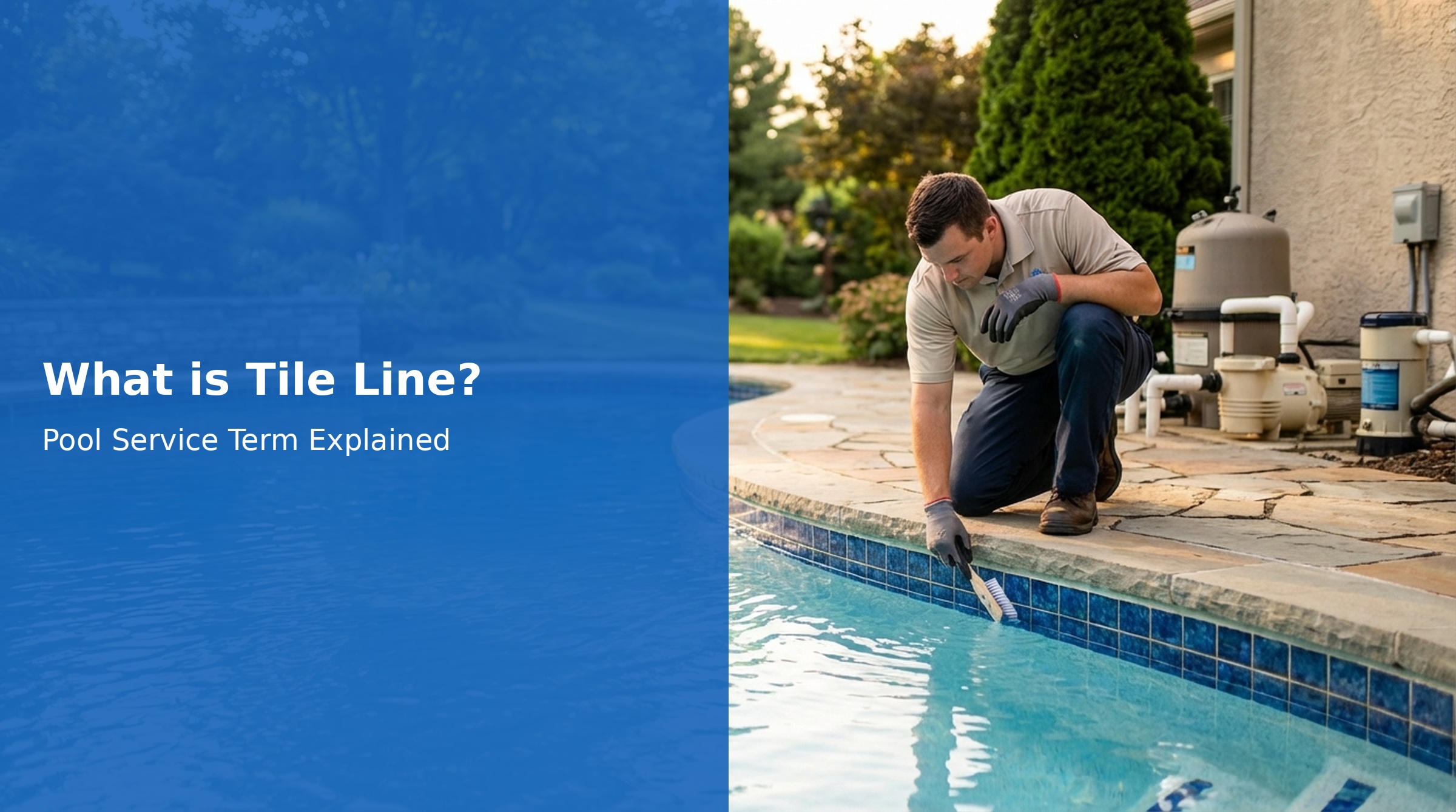
The tile line represents one of the most visible and problematic areas of any swimming pool, where aesthetic appeal meets practical maintenance challenges. For pool service professionals, understanding the tile line's significance goes beyond simple cleaning—it's about mastering water chemistry, preventing costly damage, and maintaining client satisfaction. This critical zone where water meets tile requires specialized knowledge and consistent attention to keep pools looking pristine and functioning properly.
Key Takeaways
- The tile line is the horizontal band where pool water meets decorative tiles, typically 6 inches wide
- Scale buildup and staining at the tile line indicate water chemistry imbalances that require immediate attention
- Regular maintenance prevents costly tile replacement and maintains pool aesthetics
- Proper water balance using LSI calculations prevents most tile line problems
- Different cleaning methods are required for various types of deposits and stains
What Is the Pool Tile Line?
The tile line refers to the horizontal band of decorative tiles installed around the perimeter of a swimming pool at the waterline level. This area, typically measuring 6 inches in height, serves both functional and aesthetic purposes. Functionally, it provides a smooth, non-porous surface that's easier to clean than pool plaster or other finishes. Aesthetically, it creates a finished appearance and often serves as a design element that complements the overall pool design.
The tile line experiences constant exposure to fluctuating water levels, chemicals, and environmental contaminants, making it one of the most maintenance-intensive areas of any pool. This zone bears the brunt of scale deposits, algae growth, body oils, sunscreen residue, and other organic compounds that accumulate at the water's surface.
Common Tile Line Problems
Calcium Scale Buildup
Calcium scale represents the most prevalent tile line issue pool professionals encounter. This white, chalky deposit forms when water becomes oversaturated with calcium carbonate due to high pH levels, excessive calcium hardness, or elevated total alkalinity. Scale buildup not only creates an unsightly appearance but can permanently damage tile surfaces if left untreated.
The formation of calcium scale directly correlates with water balance parameters. When the Langelier Saturation Index indicates water is oversaturated, calcium precipitation becomes inevitable, with the tile line serving as the primary deposition site.
Oil and Scum Lines
Body oils, sunscreen, cosmetics, and other organic compounds create a persistent scum line that appears as a dark or yellowish band along the tiles. This organic buildup provides an ideal environment for bacteria growth and can cause permanent staining if not addressed promptly.
Metal Staining
Metal stains appear as brown, green, or black discoloration on tile surfaces, typically resulting from high iron, copper, or manganese levels in the water. These stains often develop gradually and can become extremely difficult to remove once they penetrate porous tile surfaces.
Prevention Through Water Chemistry Management
Effective tile line maintenance begins with proper water balance. Maintaining appropriate chemical levels prevents most common problems before they manifest visually.
Critical Parameters
The most important factors for tile line protection include maintaining pH between 7.2-7.6, total alkalinity between 80-120 ppm, and calcium hardness between 150-300 ppm depending on surface type. Regular testing and adjustment using a reliable chemical dosage calculator ensures accurate treatment and prevents overcorrection.
Cyanuric acid levels also impact tile line condition, as excessive stabilizer can interfere with chlorine effectiveness, allowing organic buildup to accumulate more readily. Monitoring and adjusting CYA levels using proper stabilizer calculations maintains optimal sanitizer performance.
Langelier Saturation Index
The LSI provides the most reliable indicator of scale formation potential. Negative LSI values indicate corrosive water that may damage tile grout, while positive values above +0.5 suggest scale formation likelihood. Maintaining LSI between -0.3 and +0.3 provides optimal protection for tile line surfaces.
Professional Cleaning Techniques
Routine Maintenance
Weekly tile line cleaning using appropriate brushes and cleaning solutions prevents minor buildup from becoming major problems. Soft-bristled brushes work effectively for regular maintenance, while avoiding damage to glazed tile surfaces.
Scale Removal Methods
For established calcium deposits, muriatic acid application provides effective removal when used properly. Diluting acid to appropriate concentrations (typically 1:10 ratio) and applying with proper safety equipment ensures effective cleaning while protecting both technician and pool surfaces. Always neutralize treated areas thoroughly and test water chemistry following acid treatments.
Pumice stones offer an alternative for stubborn deposits on hard tile surfaces, though care must be taken to avoid scratching. Glass bead blasting provides professional-grade scale removal for severe cases, though this requires specialized equipment and expertise.
Organic Stain Treatment
Enzyme-based cleaners effectively break down organic compounds that create scum lines. These products work best when applied during low-use periods, allowing sufficient contact time for complete breakdown of organic materials.
Equipment and Tools for Tile Line Service
Professional tile line maintenance requires specialized tools including variable-speed pumice stones, acid-resistant brushes, spray bottles for precise chemical application, and appropriate personal protective equipment. Investing in quality tools improves efficiency and results while ensuring technician safety.
Tile and grout steam cleaners offer chemical-free cleaning options that many environmentally conscious clients prefer. These tools effectively remove organic buildup and light scale deposits without introducing additional chemicals to the pool environment.
Client Education and Service Intervals
Educating clients about tile line maintenance importance helps prevent problems and justifies regular service intervals. Explaining the relationship between water chemistry and tile appearance helps clients understand the value of consistent professional maintenance.
Most pools benefit from professional tile line cleaning every 2-4 weeks, depending on bather load, environmental factors, and water chemistry stability. High-use pools or those with chronic chemistry issues may require weekly attention.
Conclusion
Mastering tile line maintenance separates professional pool technicians from amateur service providers. By understanding the relationship between water chemistry and tile line condition, implementing preventive maintenance protocols, and utilizing appropriate cleaning techniques, pool professionals can maintain pristine tile lines that enhance overall pool appearance and client satisfaction.
Success in tile line maintenance requires combining technical knowledge with practical application skills. Regular water testing, prompt problem identification, and appropriate treatment methods prevent minor issues from becoming costly repairs. For pool service professionals seeking to expand their technical vocabulary and service capabilities, consulting a comprehensive pool service terminology glossary provides valuable reference material for continued professional development.