̶P̶o̶l̶e̶ Pool Position
Key Takeaways
- Always install isolation valves for equipment positioned below pool water level to prevent catastrophic water loss
- Prioritize equipment accessibility over aesthetics - maintenance requirements should drive placement decisions
- Implement redundant safety systems rather than relying on single points of failure
- Keep pipe runs between pool and equipment as short as practical while maintaining electrical safety clearances
- Plan equipment installations with long-term maintenance and component replacement in mind
When Pool Equipment Placement Goes Wrong: A Holiday Weekend Horror Story
Picture this: It's a holiday weekend, you're finally ready to relax, and then your phone buzzes with a text that makes your heart sink. For Shane, a pool professional in New Zealand, this nightmare became reality when a client sent photos showing a catastrophic equipment failure that resulted in the loss of 30,000 litres of water – enough to empty a small pool entirely.
This real-world disaster, discussed on a recent episode of the Talking Pools Podcast, highlights a critical issue that plagues the pool industry: poor equipment placement and inadequate safety measures during installation. When pool builders prioritize aesthetics over functionality, both pool owners and service technicians pay the price.
The Hidden Dangers of Below-Water-Level Equipment
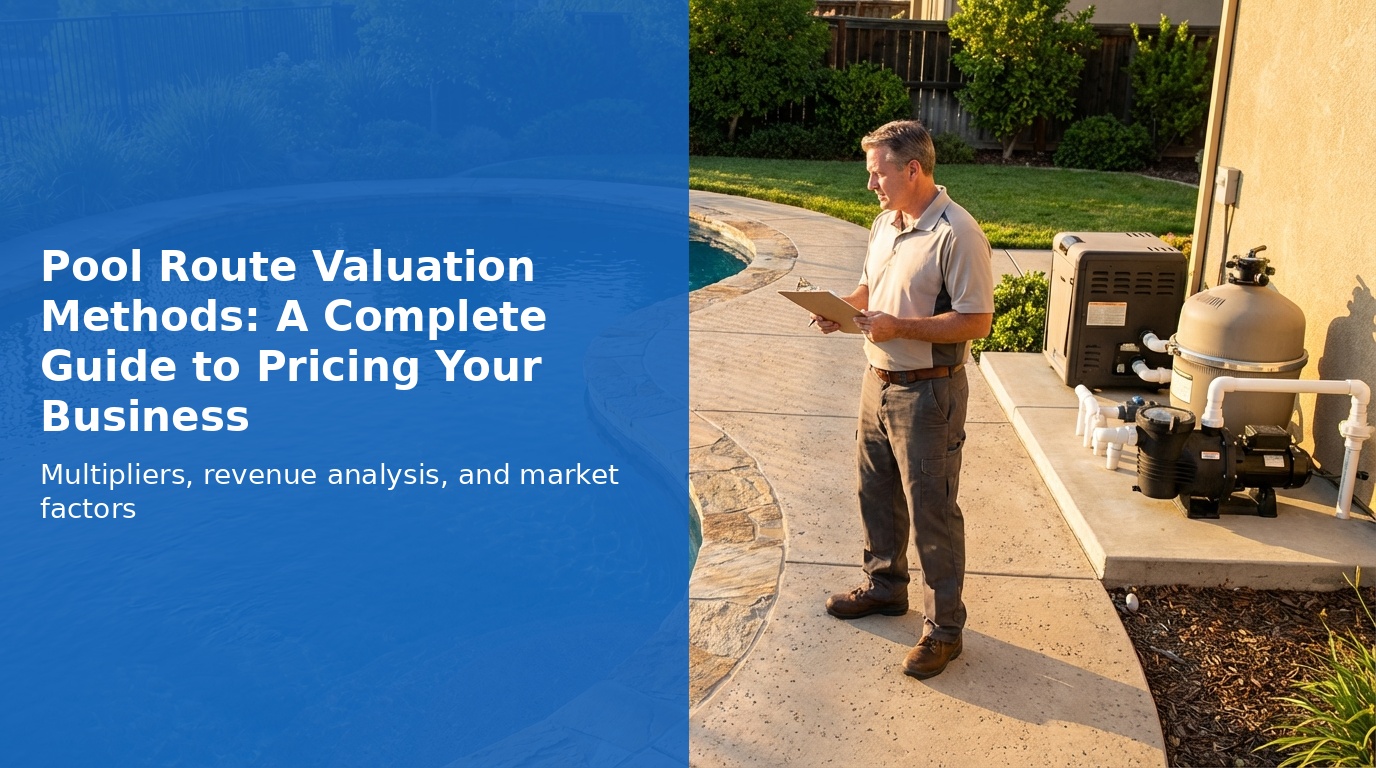
One of the most common – and potentially disastrous – installation mistakes is placing pool equipment below the water level of the pool itself. While this setup might look cleaner and keep equipment out of sight, it creates a ticking time bomb for pool owners.
The equipment was below water level. It is below water level. Sorry. And the other photo that he sent appears to be about 30,000 litre water loss. Wow. So pretty much a small pool loss of water.
— Shane, Talking Pools Podcast
When equipment is positioned below the pool's water line, any failure in the system can result in catastrophic water loss through siphoning. Without proper isolation valves, a simple O-ring failure or cracked union can drain an entire pool overnight, causing thousands of dollars in damage and creating potential structural issues from ground saturation.
Lee shared a particularly dramatic example of this problem: a commercial pool that lost 180,000 litres (47,550 gallons) overnight due to a crack in a levelling tank. The facility operators arrived the next morning to find their pool completely bone dry – a stark reminder of how quickly things can go wrong when proper safety measures aren't in place.
The Critical Role of Isolation Valves
The solution to below-water-level equipment isn't necessarily relocating everything above the pool line – sometimes space constraints or local regulations make this impossible. Instead, the key lies in implementing redundant safety systems, particularly isolation valves.
Look, sometimes you've got no real choice other than to have the equipment lower than the level of the pool. And the magic word there is redundancy. Make sure you've got more valves and more safety mechanisms than you think you will need.
— Peter, Talking Pools Podcast
Isolation valves allow pool technicians to shut off water flow to equipment for maintenance and repairs without draining the pool. However, many pool installations lack these critical safety features, leaving both owners and service professionals in impossible situations when equipment needs attention.
Consider the Facebook post mentioned in the episode: a pool technician was called to service equipment that was below water level, only to discover there were no isolation valves whatsoever. This meant the technician couldn't even empty the pump basket or clean filter cartridges without jumping into the pool to manually block the return lines – hardly a professional or efficient solution.
Function Over Form: Why Aesthetics Shouldn't Drive Equipment Placement
The pool industry has developed an unfortunate tendency to prioritize how installations look over how they function. Equipment gets tucked away in hard-to-reach locations, buried under decks, or accessed through impossibly small hatches – all in the name of keeping the pool area looking pristine.
First of all, function over form. It's got to work, first and foremost. Then worry about the aesthetic of it. I'm sick to the hind teeth of seeing people say or hearing people say, oh, we put the equipment there because it's out of sight or we can't see it. Well, yeah, it also means that quite often we can't get to it to do any work.
— Peter, Talking Pools Podcast
This approach creates ongoing problems for pool maintenance. Shane described having to call carpenters to remove part of a deck just to replace a filter because the equipment had been installed in an inaccessible location. Such situations turn routine maintenance into expensive, time-consuming ordeals.
The podcast hosts emphasized that while equipment doesn't need to be prominently displayed, it must remain accessible for regular service and emergency repairs. The goal should be finding locations that balance aesthetics with functionality, keeping runs from pool to equipment as short as possible while maintaining adequate clearance for maintenance work.
Learning from Disasters: Real-World Consequences
The consequences of poor equipment placement extend far beyond inconvenience. Peter recounted working on a pool where an equipment pit had flooded due to a failed O-ring, submerging all electrical components underwater. The result was a complete electrical rebuild – pump, chlorinator, light transformer, and all associated wiring had to be replaced.
These disasters highlight several critical points:
- Electrical safety: Water and electricity don't mix. Flooded equipment pits create serious safety hazards and require complete electrical system replacement.
- Structural concerns: Large volumes of water moving through soil can cause ground movement, particularly in clay soils that expand dramatically when saturated.
- Emergency response: When disasters strike during holidays or off-hours, proper isolation systems can mean the difference between a minor repair and a major catastrophe.
Best Practices for Pool Equipment Installation
Based on the experiences shared in the podcast, several best practices emerge for proper pool equipment installation:
Prioritize Accessibility: Equipment must be easily accessible for routine maintenance and emergency repairs. Avoid locations that require crawling, crouching, or removing structural elements to reach.
Install Redundant Safety Systems: Multiple isolation valves provide backup protection when primary systems fail. Don't rely on single points of failure for system isolation.
Minimize Pipe Runs: Shorter runs between pool and equipment reduce friction losses and improve system efficiency, but maintain adequate clearance from the pool edge for electrical safety.
Plan for Maintenance: Consider how filters will be cleaned, equipment will be serviced, and components will be replaced over the pool's lifetime. Design access accordingly.
Document Valve Locations: Ensure pool owners know where isolation valves are located and how to operate them in emergency situations.
Things need to be serviceable. And I think we've talked about this before, but so many times we see pools plumbed, built without maintenance in mind because builders aren't responsible for it. So they don't think about it.
— Shane, Talking Pools Podcast
Taking Action: What Pool Owners Can Do
If you're planning a new pool installation or dealing with an existing problematic setup, there are steps you can take to avoid the disasters described in this episode.
For new installations, insist on seeing detailed equipment placement plans and ask specific questions about maintenance access. Don't accept "it will look better" as justification for poor placement decisions. Demand isolation valves for any equipment positioned below water level.
For existing pools with accessibility issues, consider retrofitting isolation valves during routine equipment replacement. While this adds upfront cost, it prevents much larger expenses and headaches down the road.
Most importantly, develop a relationship with qualified pool professionals who understand proper installation practices. As Shane noted, this holiday weekend disaster made him reconsider what spare parts to carry – experienced technicians learn from each situation and adapt their practices accordingly.
The pool industry's focus on aesthetics over functionality has created countless maintenance nightmares and safety hazards. By prioritizing proper equipment placement, installing redundant safety systems, and planning for long-term serviceability, we can prevent the next 30,000-litre disaster from ruining someone's holiday weekend. After all, the most beautiful pool installation is worthless if it can't be properly maintained or, worse yet, drains itself dry when a simple component fails.
Episode Chapters
- 00:00 Introduction and Australia Day Weekend
- 05:30 Holiday Weekend Equipment Disaster
- 12:15 Equipment Placement Best Practices
- 18:45 The Importance of Isolation Valves
- 25:20 Function Over Form Philosophy
- 32:10 Real-World Horror Stories
- 38:30 Accessibility and Maintenance Considerations
Never Miss a Customer Call Again
Built for pool pros who want to grow. AI receptionist, optimized routes, automated billing—everything at $2/pool.
Get a Demo