
What is Quaternary Ammonium Algaecide?

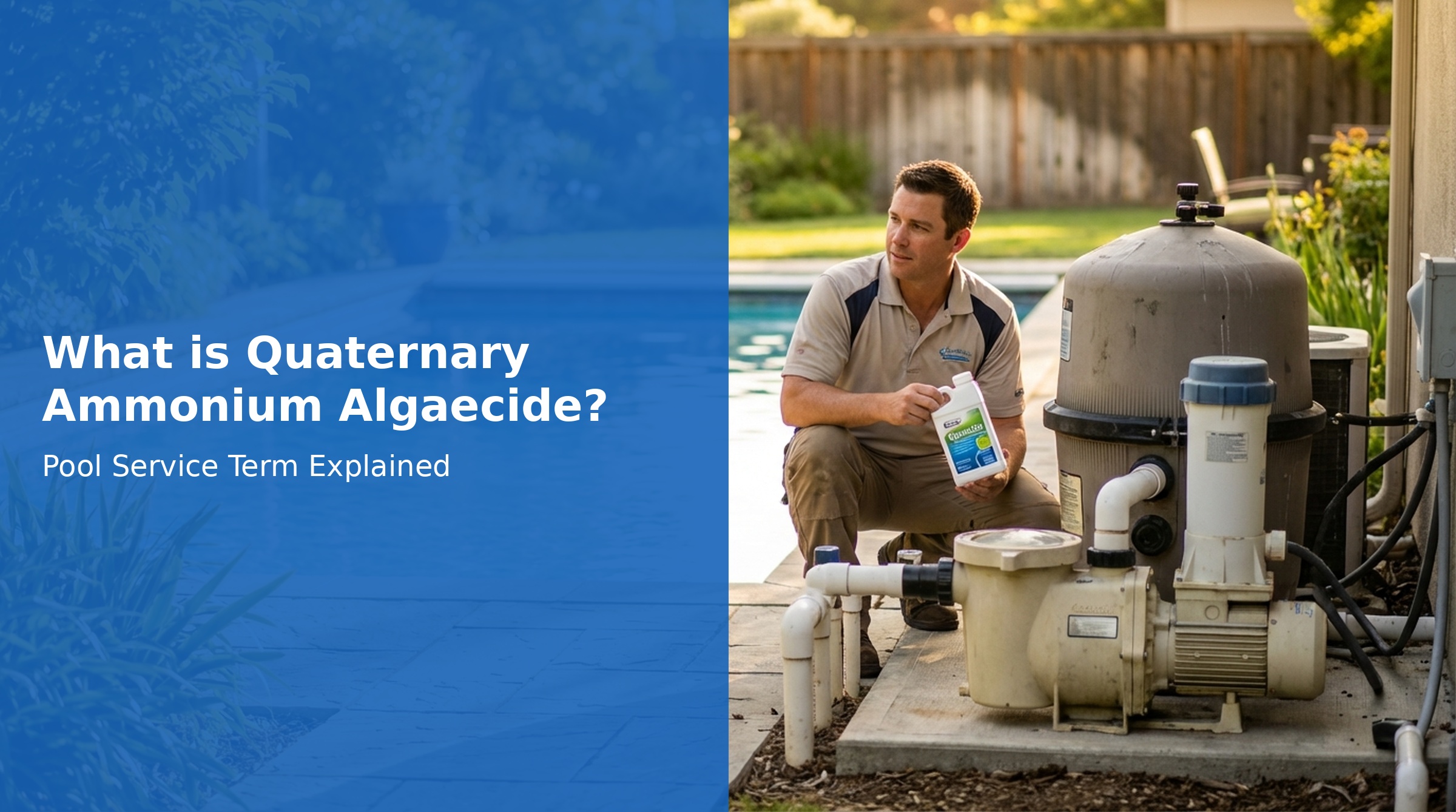
Quaternary ammonium algaecides represent one of the most effective and widely used chemical solutions in professional pool maintenance for preventing and eliminating algae growth. As a pool service professional, understanding how these powerful compounds work, when to use them, and their proper application methods is crucial for maintaining crystal-clear water and satisfied customers. These algaecides offer superior performance compared to traditional copper-based alternatives, making them an essential tool in your chemical arsenal.
Key Takeaways
- Quaternary ammonium algaecides are non-metallic, positively charged compounds that effectively kill algae without staining pool surfaces
- They work by disrupting algae cell membranes and are particularly effective against green algae strains
- Typical dosage ranges from 1-4 ounces per 10,000 gallons depending on algae severity and product concentration
- These algaecides are compatible with all sanitizer systems and won't affect water balance significantly
- Regular preventive dosing is more cost-effective than reactive treatment of established algae blooms
What Are Quaternary Ammonium Algaecides?
Quaternary ammonium algaecides, often referred to as "quats" or "polyquats" in the pool industry, are synthetic organic compounds that carry a positive electrical charge. The most common active ingredients include polyquaternium compounds and alkyl dimethyl benzyl ammonium chloride. Unlike copper-based algaecides, quaternary ammonium products are non-metallic, which means they won't cause staining on pool surfaces or discoloration of hair and swimwear.
These algaecides work through a process called membrane disruption. The positively charged quaternary ammonium molecules are attracted to the negatively charged cell walls of algae. Once contact is made, they penetrate the cell membrane, causing cellular contents to leak out and ultimately killing the algae cell. This mechanism makes them particularly effective against common pool algae varieties, including green algae (Chlorella and Chlamydomonas species).
Types of Quaternary Ammonium Algaecides
Pool service professionals typically encounter three main categories:
- Standard Quaternary Ammonium (10-15% concentration): Most common for routine maintenance and light algae prevention
- Concentrated Quaternary Ammonium (30-60% concentration): Used for severe algae problems or as a cost-effective concentrate
- Polyquaternium Blends: Enhanced formulations that combine multiple quaternary compounds for broader spectrum control
When and Why to Use Quaternary Ammonium Algaecides
The versatility of quaternary ammonium algaecides makes them suitable for various scenarios in professional pool maintenance. Understanding when to deploy these products can significantly improve your service efficiency and customer satisfaction.
Preventive Maintenance
Regular preventive application is the most cost-effective approach. Adding quaternary ammonium algaecide weekly or bi-weekly during peak swimming season helps maintain an algae-free environment. This is particularly important for pools with challenging conditions such as heavy bather loads, frequent rainfall, or inadequate filtration systems.
Early Algae Intervention
When you notice the first signs of algae development—slight water discoloration, slippery surfaces, or increased chlorine demand—quaternary ammonium algaecides can quickly halt progression. Early intervention prevents minor algae issues from becoming major problems that require extensive treatment and customer complaints.
Shock Treatment Support
During chlorine shock treatments, adding quaternary ammonium algaecide enhances the overall effectiveness. While chlorine oxidizes organic matter, the algaecide specifically targets algae cells, creating a dual-action approach that's particularly effective against stubborn algae strains.
Proper Application and Dosage Guidelines
Successful quaternary ammonium algaecide application requires attention to water chemistry, timing, and proper dosing calculations. Always test and balance water chemistry before application, ensuring pH levels between 7.2-7.6 and adequate sanitizer levels.
Standard Dosage Rates
For routine maintenance, apply 1-2 ounces per 10,000 gallons of water weekly. When treating visible algae, increase to 3-4 ounces per 10,000 gallons. For severe infestations, some products allow up to 8 ounces per 10,000 gallons, though this should be combined with shock treatment and aggressive brushing.
Use our chemical dosage calculator to determine precise amounts based on your specific pool volume and product concentration. Always read manufacturer instructions, as concentrations vary significantly between brands.
Application Best Practices
Apply quaternary ammonium algaecide in the evening or early morning when UV radiation is minimal. Add the product around the pool perimeter with circulation running to ensure even distribution. Never mix different chemical products, and always add algaecide to water, not water to algaecide.
Advantages Over Alternative Algaecides
Quaternary ammonium algaecides offer several significant advantages that make them preferred by professional pool services:
- No Staining Risk: Unlike copper-based algaecides, quats won't stain pool surfaces, plaster, or equipment
- Broad Compatibility: Works with all sanitizer systems including chlorine, bromine, and alternative sanitizers
- Minimal Water Balance Impact: Doesn't significantly affect pH, alkalinity, or other water parameters
- Long-lasting Protection: Provides residual algae protection between service visits
- Safe for All Pool Types: Suitable for vinyl, fiberglass, and plaster pools without damage concerns
Troubleshooting Common Issues
Even experienced professionals occasionally encounter challenges when using quaternary ammonium algaecides. Foaming is the most common issue, typically caused by overdosing or poor water circulation. If excessive foaming occurs, reduce future dosages and ensure proper water balance.
Some quaternary ammonium products can cause temporary cloudiness, especially in pools with high total dissolved solids. This usually clears within 24-48 hours with proper filtration. If cloudiness persists, check your water balance using our Langelier Saturation Index calculator to ensure optimal water chemistry.
Integration with Complete Pool Care Programs
Quaternary ammonium algaecides work best as part of a comprehensive pool maintenance program. Combine regular algaecide treatment with proper sanitization, filtration maintenance, and water balance management. Document application rates and timing to identify optimal treatment schedules for each customer's unique pool environment.
For a complete understanding of pool service terminology and chemical interactions, reference our comprehensive pool service terminology glossary to enhance your professional knowledge and customer communication.
Conclusion
Quaternary ammonium algaecides represent an essential tool for professional pool service providers seeking reliable, safe, and effective algae control solutions. Their non-staining properties, broad compatibility, and excellent performance against common pool algae make them superior to traditional copper-based alternatives. By understanding proper application techniques, dosage calculations, and integration with overall pool care programs, you can deliver consistently excellent results that keep customers satisfied and pools crystal clear. Regular preventive use combined with appropriate reactive treatment will establish your reputation as a knowledgeable professional who maintains the highest water quality standards.