
What is Skimmer?

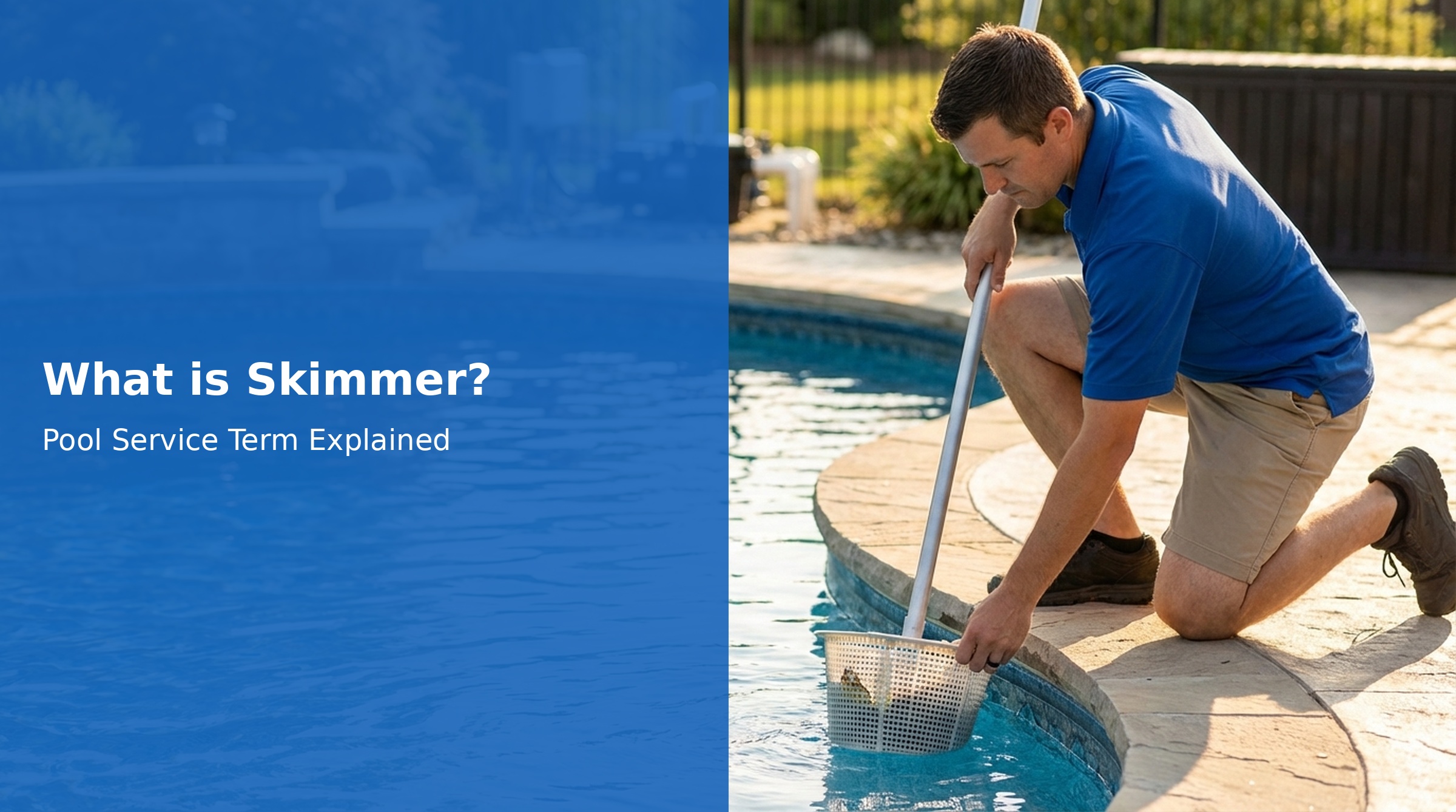
Pool skimmers are the unsung heroes of circulation systems, quietly working to maintain water clarity by removing surface debris before it can sink and decompose. As pool service professionals, understanding skimmer functionality, troubleshooting common issues, and optimizing performance can dramatically improve service efficiency and customer satisfaction. When skimmers operate properly, they handle 80% of pool debris removal, making your job significantly easier.
Key Takeaways
- Skimmers remove floating debris and create surface circulation, handling most pool cleaning automatically
- Proper water level (middle of skimmer opening) is critical for optimal suction and debris capture
- Regular basket cleaning and door inspection prevent pump damage and maintain circulation efficiency
- Multiple skimmers require flow balancing to ensure even debris collection across the pool surface
- Skimmer basket capacity and weir door condition directly impact overall system performance
Understanding Pool Skimmer Components and Function
Pool skimmers consist of several key components working together to maintain water clarity. The skimmer throat creates the primary suction point, while the weir door regulates water flow and traps debris. The skimmer basket serves as the first line of filtration, capturing leaves, insects, and floating debris before they reach the pump impeller.
The weir door mechanism deserves particular attention during service calls. This floating door should move freely, opening as water flows through and closing when the pump shuts off to trap collected debris. A stuck or missing weir door reduces skimming efficiency by up to 70%, allowing debris to float back into the pool.
Skimmer Basket Design and Capacity
Modern skimmer baskets feature various designs optimized for different debris types. Fine mesh baskets excel at capturing small particles but require more frequent cleaning, while larger openings handle heavy leaf loads without clogging. Professional service routes benefit from matching basket types to seasonal debris patterns and customer usage.
Basket capacity directly impacts service scheduling. Oversized baskets may seem convenient but can become too heavy when full, potentially damaging the skimmer housing during removal. Standard baskets typically hold 2-3 pounds of wet debris safely, requiring weekly cleaning during peak season.
Water Level Management for Optimal Skimming
Proper water level represents one of the most critical factors in skimmer performance. Water should sit at the middle of the skimmer opening, creating optimal flow velocity for debris capture. When water levels drop below this point, air enters the system, reducing circulation efficiency and potentially damaging the pump.
High water levels present equally problematic scenarios. Water above the skimmer opening reduces surface tension break, allowing debris to float past without being captured. Additionally, the weir door may not function properly, further compromising debris collection.
Seasonal Water Level Adjustments
Different seasons require specific water level strategies. Summer operations typically maintain standard levels for maximum skimming efficiency. However, winter preparations may require lowering water below the skimmer to prevent freeze damage in colder climates. Spring startups then require careful refilling to restore optimal skimming function.
Automated water levelers can maintain consistent skimmer performance, but require regular calibration and maintenance. Manual monitoring remains essential, particularly during heavy rain or high evaporation periods that can quickly alter water levels.
Troubleshooting Common Skimmer Problems
Poor skimming performance often stems from predictable issues that pool service professionals can quickly diagnose and resolve. Weak suction typically indicates a full basket, clogged main drain valve, or improper water level. Systematic troubleshooting saves time and ensures thorough problem resolution.
Skimmer basket maintenance extends beyond simple debris removal. Cracked or damaged baskets allow debris to bypass filtration, potentially clogging pump impellers or filter systems. Regular basket inspection during service calls prevents costly equipment damage and maintains system efficiency.
Suction Side Balancing
Pools with multiple skimmers or main drains require proper suction balancing for optimal performance. Adjusting individual skimmer valves ensures even debris collection across the entire pool surface. Imbalanced systems create dead zones where debris accumulates, requiring additional manual cleaning.
Professional tip: Use floating test debris (like tissue paper pieces) to visualize suction patterns and identify weak circulation areas. This simple diagnostic tool reveals suction imbalances that aren't immediately obvious during routine service.
Integration with Chemical Management Systems
Skimmer operation directly impacts chemical distribution throughout the pool. Proper circulation ensures even chemical mixing, while poor skimming creates stagnant areas where sanitizer levels drop. This connection makes skimmer maintenance crucial for water chemistry balance.
Many automatic chemical feeders connect to skimmer lines, relying on consistent water flow for proper operation. When skimmer performance deteriorates, chemical distribution becomes uneven, potentially creating unsafe swimming conditions or equipment corrosion. Regular skimmer maintenance supports overall chemical program effectiveness.
Understanding this relationship helps service professionals prioritize skimmer repairs and communicate their importance to customers. Poor skimming doesn't just affect appearance—it compromises the entire pool's chemical and circulation systems. Utilizing tools like our chemical dosage calculator becomes more critical when circulation is compromised.
Professional Service Best Practices
Efficient skimmer service follows a systematic approach that maximizes effectiveness while minimizing time investment. Begin each service call by checking water levels and basket fullness before starting any other tasks. This prevents debris from circulating during cleaning and ensures optimal suction for vacuuming operations.
Document skimmer conditions during service visits, noting basket debris levels, weir door function, and any visible damage. This information helps identify seasonal patterns, schedule preventive maintenance, and justify equipment upgrades to customers.
Customer Education and Communication
Educating customers about skimmer function improves service efficiency and customer satisfaction. Simple explanations about water level importance and basic basket maintenance empower customers to maintain their pools between service visits. This proactive approach reduces emergency service calls and extends equipment life.
Pool service professionals benefit from expanding their technical knowledge beyond basic skimmer function. Understanding the relationship between skimming efficiency and overall water balance, as covered in our pool service terminology glossary, enables more comprehensive service and professional credibility.
Conclusion
Mastering skimmer service and troubleshooting represents a fundamental skill that separates professional pool service technicians from casual maintenance providers. Proper skimmer function affects every aspect of pool operation, from water clarity and chemical distribution to equipment longevity and energy efficiency. By understanding skimmer mechanics, maintaining optimal water levels, and implementing systematic maintenance procedures, pool service professionals ensure customer satisfaction while building sustainable, profitable service routes. Regular attention to these seemingly simple components prevents major problems and demonstrates the technical expertise that customers value in professional pool service.